Trump's Hormuz Ultimatum Puts the Iran Ceasefire on a Days-Long Clock
The US president demands the Strait of Hormuz reopen within days, but markets and allies see a longer, messier timeline.
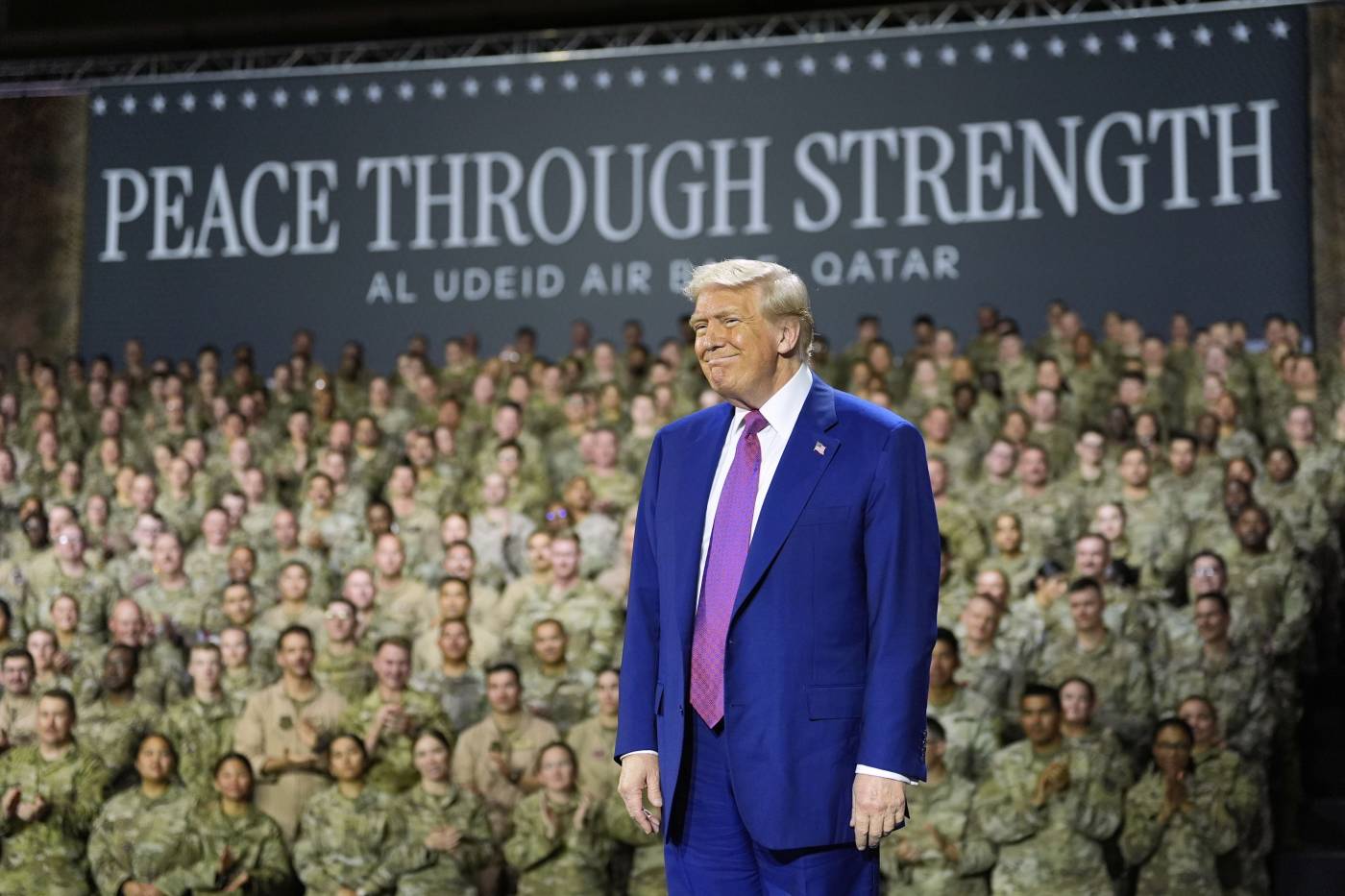
President Trump issued a direct ultimatum to NATO allies on Thursday to reopen the Strait of Hormuz "within days," escalating pressure on a ceasefire process that has yet to produce a formal agreement. The demand came hours after he told reporters Iran was "doing a very poor job" cooperating with efforts to restore shipping through the world's most critical oil chokepoint.
The problem is that Trump's timeline and reality appear to be diverging. Ceasefire talks, described by Reuters as "shaky" as of April 10, have stalled without a signed deal. Defence Secretary Hegseth has already claimed victory. Congressional Republicans are bracing for a fight over the war's mounting costs. And the president himself swings between optimism about a peace deal and ultimatums that suggest one is nowhere close.
Prediction markets reflect this confusion with unusual clarity. Traders on Polymarket give just an 11.5% chance that Trump announces an end to military operations by April 15, rising to 42% by April 30. That slope tells a specific story: if a resolution comes this month at all, it arrives in the final two weeks, not the "days" Trump is demanding. A permanent peace deal by April 22 sits at 12.5%, barely above noise.
But the sharpest signal sits in the gap between two related markets. The probability of operations ending by April 30 stands at 42%. The probability of Strait of Hormuz traffic returning to normal by the same date is just 18.5%. Traders are pricing something that most news coverage has collapsed into a single narrative: operations can nominally "end" while the Strait remains disrupted. A presidential announcement is not the same thing as restored shipping lanes, resumed insurance underwriting, or tanker captains willing to transit.
This distinction matters because the Hormuz ultimatum is, at its core, about commercial normalcy, not military posture. The Strait handles roughly a fifth of global oil trade. Every day it remains effectively closed or restricted, energy markets reprice risk across Europe and Asia. Trump's framing treats reopening as a binary switch. The market treats it as a process that lags well behind any ceasefire declaration.
The NATO dimension adds another layer of friction. By pressing European allies to physically secure the Strait, Trump is acknowledging that US forces alone cannot guarantee safe passage. That is an unusual admission from a president who has otherwise claimed unilateral success. It also creates a coordination problem: NATO members must agree on rules of engagement, burden-sharing, and legal frameworks for protecting commercial shipping in a contested waterway. None of that happens "within days."
Regime change, the maximalist outcome, is essentially off the table. Polymarket prices the fall of the Iranian government by April 30 at 2.9%. Taken together with the peace-deal odds, the market's composite picture is stark: traders expect neither transformation nor resolution this month. The most likely outcome is an operational pause dressed as progress, with the underlying strategic contest unresolved and the Strait still compromised.
For readers tracking this crisis, the number to watch is not the ceasefire probability. It is the Hormuz traffic market. When that figure begins to climb toward the "end of operations" number, it will signal that a real resolution, not just a rhetorical one, is taking shape. Until then, the gap between those two markets is the clearest measure of how far apart words and reality remain.