Brent has lost almost a fifth of its value in two weeks. Shipping through Hormuz is nowhere near normal
Future Times4 min read
In 30 seconds
Gulf producers are getting crude past the blockade and the IEA now sees supply outrunning demand. Diesel, still above $6 a gallon in America, is the part of the shortage that has not gone away.
- OPEC+ pumped 41.23mn barrels a day in October, up 2.04mn on September despite the blockade
- Gulf oil exports are back to 18.4mn barrels a day, still 26% below pre-war levels
- US diesel at $6.13 a gallon is up $2.29 on a year ago; petrol is up 94 cents
What it means
- MarketsWith traders seeing neither a reopening nor renewed sanction relief, the next big oil move is more likely to come from…
- Stocks and sectorsRefiners such as Valero, Marathon Petroleum and Phillips 66 benefit from cheaper crude and dear diesel.
- BusinessHauliers and farmers get little relief from the crude glut, because diesel prices track scarce refining capacity, not…
- Policy and geopoliticsA blockade that no longer moves the oil price costs Washington less to sustain, weakening the pressure to strike a deal…
What to watch
- 18 NovWeekly EIA inventory data on Wednesday 18 November will show whether the US crude build is a trend
- 9 DecThe Fed decides on 9 December, and WTI back above $95 would revive the inflation argument
The odds
Polymarket · live, 08:32 GMTHormuz shipping returns to normal by 31 December
down 4 points over 7dfrom 9% a week ago6% when this was published
What would move these odds
- A verified mine strike that halts the Gulf's "dark crossings" would cut these odds further
- IMF PortWatch transits climbing towards 60 ships a day would push them up
- A US move to restore Iranian oil sanction relief would signal a negotiated reopening
Now · 5%
Think the market's wrong? Add your forecast and see who's closer.
- What will WTI Crude Oil (WTI) hit in November 2026: ↑ $9541%down 30 points
- What will WTI Crude Oil (WTI) hit in November 2026: ↑ $10019%down 27 points
- What will WTI Crude Oil (WTI) hit in November 2026: ↓ $8034%unchanged
Iran's Revolutionary Guards said on Friday that a tanker carrying liquefied natural gas had struck a naval mine and exploded in the Strait of Hormuz, a day after Iran's military said four oil tankers had been hit there. Oil barely flinched. Brent settled at $95.84 a barrel on 13 November, up two cents, and West Texas Intermediate at $88.56, closing a second weekly fall of about 2.5% after drops of 16% and 13% the week before.
The blockade of Iran is no closer to ending. What has changed is supply, which the International Energy Agency said on Friday is now outrunning demand for the first time since the war began in late February. Prediction markets have followed: traders have sharply cut the chance of $95-100 US crude this month, while still giving almost no chance of Hormuz traffic returning to normal this year. The market is pricing a world that has learned to live without the strait.
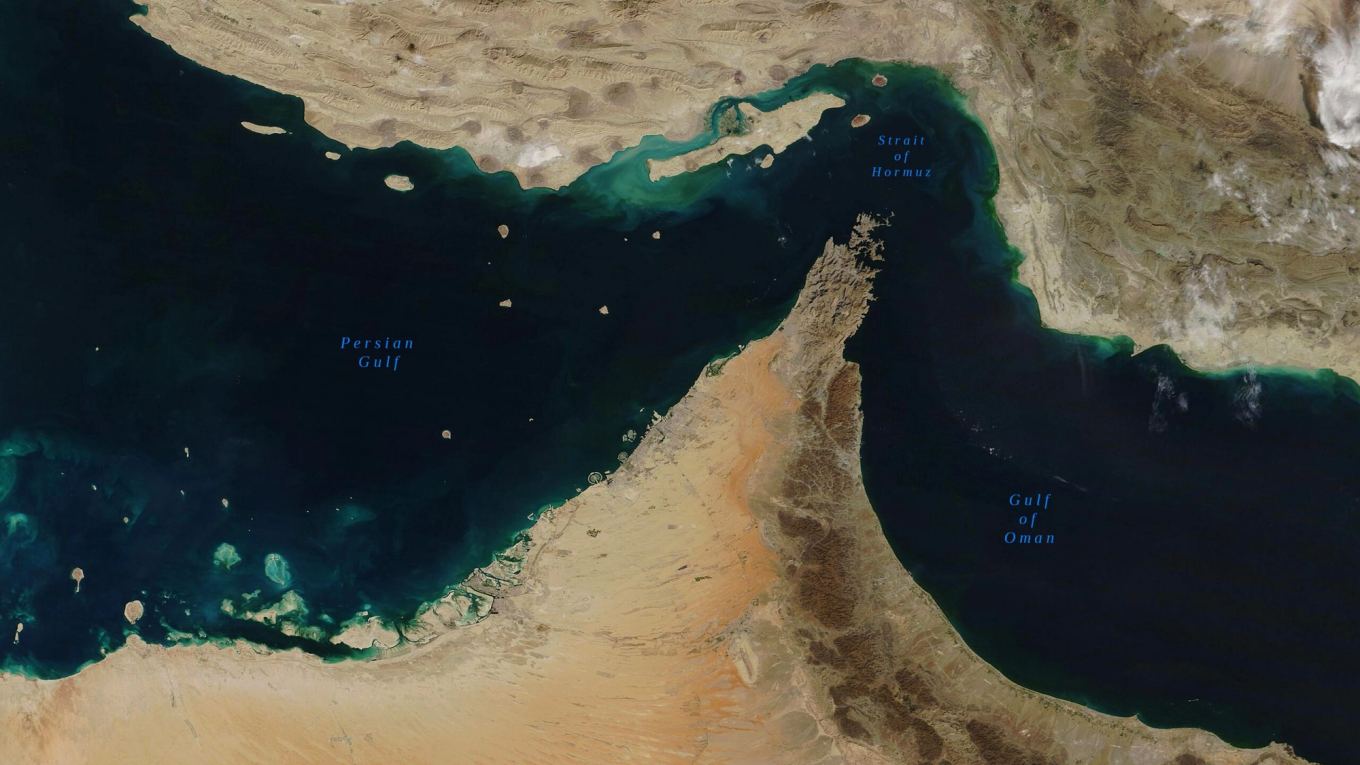
Oil that gets out anyway
"The oil market is showing tentative signs of rebalancing, with global oil supplies surpassing demand for the first time since the outbreak of the war in Iran," the IEA said in its November report. It expects supply to average 105mn barrels a day in the fourth quarter, 1.7mn above demand, having previously forecast a deficit.
Most of that is the Gulf refusing to stop. Gulf exports excluding Oman reached 18.4mn barrels a day in October, still 26% below pre-war levels, with tankers making "dark crossings" through Hormuz with tracking signals off. OPEC's figures, published on 11 November, put October crude output from the wider OPEC+ group at 41.23mn barrels a day, up 2.04mn on the month.
Demand is doing the rest: the IEA expects world consumption to fall by 2.7mn barrels a day this year, and US crude stocks rose by 4.7mn barrels in the week to 6 November, the Energy Information Administration said. Yet the strait is no safer: at least ten ships were hit in the first ten days of November, after 37 attacks in October, according to the Washington Institute for Near East Policy.
What traders have stopped paying for
As of 14 November, traders put the chance of WTI trading at $95 before the end of November at 40%, down from 68% a week ago, and of it reaching $100 at 23%, down from 42%. Those prices rest on less than $100,000 of trading each, so they show direction more than precise level. The downside has not gained at the same pace: the chance of WTI falling to $80 this month is 36%, little changed.
The far more heavily traded markets on the strait tell the other half. Traders give a 5.5% chance that Hormuz transits recover to a seven-day average of 60 ships a day on the IMF's PortWatch tracker by 31 December, down 4 points in a week, and 4.5% that US crude sets a record above $147.27.
Read together, these prices say traders no longer need the strait to reopen for crude to be adequately supplied. Nor do they expect Iranian barrels back: the chance that Washington restores sanction relief on Iranian oil sales by year end has fallen 12 points in a week to 20%. The supply is coming from around and through the blockade, not from its end.
The barrel that is still missing
The glut is in crude, not in the fuels made from it. The IEA describes "severe tightness" in diesel, with prices at record levels, especially in America. Gulf exports of refined products remain at about half of pre-war levels, and attacks on Russian infrastructure are cutting its diesel exports.
America's pumps show the split. Diesel averaged $6.127 a gallon on 9 November, $2.29 more than a year earlier, the EIA said; petrol cost $3.995, up 94 cents. The IEA says 15mn barrels of emergency diesel stocks will be released by the end of February to bridge the gap.
Why cheaper crude will not stop the Fed
Traders give an 89% chance that the Federal Reserve raises rates by a quarter-point in December, up 12 points in a week. October's consumer prices rose 0.4% on the month, ahead of forecasts. Christopher Waller, a Fed governor, has warned that "energy price pressures may pass through to goods and services in a more sustained way than in the past".
Cheaper crude helps at the margin, but diesel moves freight and farm machinery, and it has not come down. The case against the market is simple: one verified mine strike that halts the dark crossings would put the missing Gulf barrels back at the centre of the story. A record price at under 5% is a bet that the workarounds hold.
What it means for markets, business and policy
Markets With traders seeing neither a reopening nor renewed sanction relief, the next big oil move is more likely to come from a shipping incident than from diplomacy. Crude is no longer pushing the Fed to tighten, but nor is it holding it back.
Stocks and sectors Refiners such as Valero, Marathon Petroleum and Phillips 66 benefit from cheaper crude and dear diesel. ExxonMobil and Chevron give up some upstream revenue as crude falls.
XOMCVXVLOMPCPSXBusiness Hauliers and farmers get little relief from the crude glut, because diesel prices track scarce refining capacity, not crude. Fuel surcharges have little reason to fall before winter.
Policy and geopolitics A blockade that no longer moves the oil price costs Washington less to sustain, weakening the pressure to strike a deal over Hormuz before the new year.
What to watch
Weekly EIA inventory data on Wednesday 18 November will show whether the US crude build is a trend. IMF PortWatch transit counts, and any independent confirmation of the mine strikes, will test the Gulf's workarounds. The Fed decides on 9 December, and WTI back above $95 would revive the inflation argument.
The world has stopped waiting for Hormuz to reopen. Its diesel tanks have not.