Iran's Hormuz Blockade Is Hardening Into Permanence
The ceasefire was supposed to reopen the strait. Instead, Iran is building a toll booth.
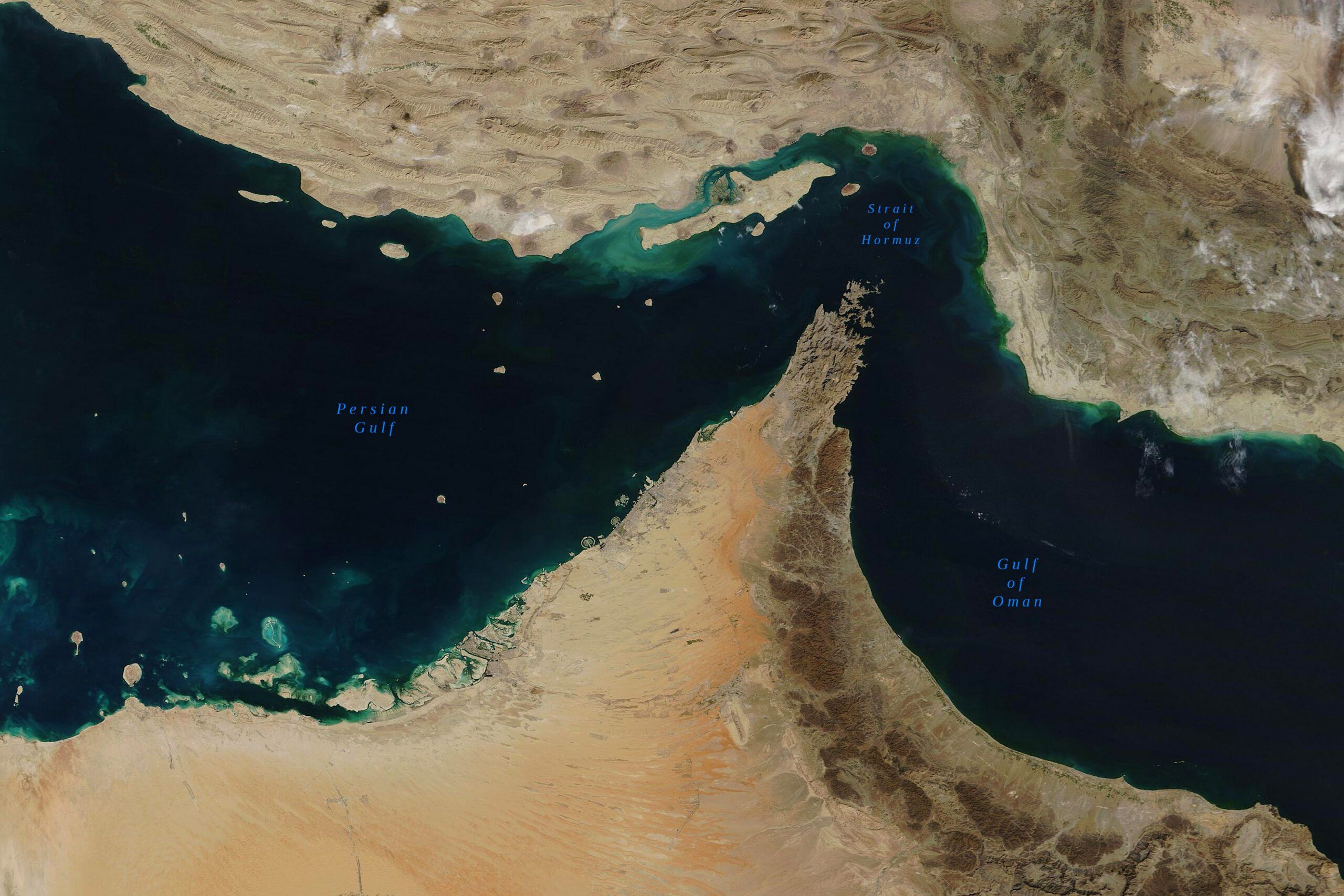
The ceasefire was supposed to reopen the strait. Instead, Iran is building a toll booth.
Two weeks after Washington declared its ceasefire with Tehran "holding," the Strait of Hormuz remains closed, and the mechanisms that might reopen it are failing one by one. Prediction markets price the chance of normal traffic resuming by May 31 at just 5.3%, as of May 17. By June 30 those odds rise to 28.5%. The 23-point gap is revealing: it prices a month bought, not a problem solved.
The diplomatic architecture is crumbling from three directions at once. On May 15, President Trump offered Iran a 20-year suspension of its nuclear programme, a significant walk-back from his earlier demand for full denuclearisation. The concession was notable. Iran's response was not what Washington hoped. "We are in doubt about their seriousness," Foreign Minister Abbas Araghchi told Fortune on May 16, dismissing the overture before its details were even formalised.
China, the one external actor with genuine leverage over Tehran, tried and failed to bridge the gap. The Xi-Trump summit on May 15 was supposed to produce a coordinated pressure campaign on Iran. It produced nothing. Beijing demanded US trade and geopolitical concessions in exchange for pressing Tehran. Those concessions were not given. Al Jazeera's post-summit analysis was blunt: the meeting "failed to yield Iran war breakthrough."
With diplomacy stalled, the US attempted a practical workaround. In early May, the Navy began guiding stranded commercial vessels through Hormuz. Within days, Trump paused the effort. No formal reopening mechanism replaced it.
What has emerged instead is something more durable and more troubling than a temporary closure. Iran is reportedly preparing a toll plan for Hormuz passage, effectively monetising the blockade rather than lifting it. The shift from tactical leverage to revenue extraction signals that Tehran views the closure not as a bargaining chip to be traded away but as infrastructure to be managed.
The market data reinforces this reading. A permanent US-Iran peace deal by May 31 sits at 9.5% on Polymarket, as of May 17. Meanwhile, the probability of Iran closing its airspace by the same date stands at 35.5%. Traders are pricing escalation risk at nearly four times the odds of resolution.
This matters beyond oil routes and shipping lanes. Hormuz carries roughly 20% of global oil supply. Every week the strait stays closed, alternative routing costs compound, insurance premiums rise, and the energy price floor lifts. The ceasefire froze the shooting but did nothing to restore the commercial artery that the conflict severed.
The deeper problem is structural. Trump's nuclear concession, the most significant diplomatic movement in weeks, was met with public scepticism from Tehran within 24 hours. China's attempt to play broker collapsed over unrelated trade grievances. Iran's own behaviour suggests it has moved past the question of whether to reopen Hormuz and started asking how to profit from keeping it shut.
For markets, the signal is clear. The May-to-June probability slope on Hormuz normalisation does not describe a situation improving gradually. It describes a deadline (May 31) that everyone has written off and a longer horizon (June 30) where some residual hope remains. The gap between 5.3% and 28.5% is not optimism. It is the market acknowledging that whatever unlocks the strait has not been invented yet.
The watchpoint now is whether Iran's toll plan moves from reported proposal to operational reality. If Tehran begins charging passage fees, the blockade shifts from a coercive act that could theoretically be reversed to a revenue stream that creates its own constituency for continuation. That transition, if it happens, would make Hormuz reopening a fiscal question for Iran, not a diplomatic one. And fiscal questions, unlike ceasefires, do not resolve over weekends.
New to Polymarket?
Sign up via our link and get 6 months of Future Times Pro free — worth £30. Learn more