Mexico just caught one of the FBI's 10 most wanted. Trump's real leverage is now tariffs, not air strikes
Future Times4 min read
In 30 seconds
The capture of "El Chapo Isidro" with US intelligence help set Sinaloa alight overnight. Traders already saw almost no chance of US strikes on Mexico, and the trade talks matter more.
- Meza Flores faces a US extradition request and DC drug and firearms charges dating to 2012
- Past kingpin arrests set off fighting, so more violence in northern Sinaloa could follow before it eases
- Trump's threat to double tariffs over migrant caravans is the live risk for Mexico-exposed business
What it means
- MarketsWith US military action on Mexican soil seen as a remote risk, the political risk premium on Mexican assets now hangs…
- Stocks and sectorsCarmakers, steelmakers and aluminium producers with plants in Mexico are the most exposed to Trump's tariff threat.
- BusinessFirms operating in northern Sinaloa, including logistics, retail and agriculture along Highway 15, face a higher…
- Politics and policyEach handover-style arrest strengthens Sheinbaum's argument that intelligence sharing works better than unilateral…
What to watch
The first test is whether Mexico moves quickly to extradite Meza Flores.
The odds
Polymarket · live, 09:56 GMTUS strikes Mexican soil by 31 December
unchanged over 7d
What would move these odds
- A US drone or missile strike on cartel targets in Mexico would resolve it at once
- Renewed Trump talk of "hitting land" after a cartel attack on US citizens would push it up
- A trade deal at the G20 in Florida in December would push it lower still
Now · 2%
Think the market's wrong? Add your forecast and see who's closer.
- Will the U.S. invade Mexico in 20261%unchanged
- Claudia Sheinbaum out as President of Mexico by December 31, 20262%unchanged
- Which cartel leaders will be arrested in 2026: Juan Carlos Valencia Gonzalez6%unchanged
Military helicopters fired on targets on the ground in Guasave, gunfire halted a baseball game at Kuroda Park and burning vehicles blocked Federal Highway 15. That was the price of the arrest, on the night of Friday 20 November, of Fausto Isidro Meza Flores, "El Chapo Isidro", one of the FBI's Ten Most Wanted fugitives since February 2025 and the man Washington had offered up to $5mn to catch.
Mexico's Defence Ministry said the raid by army and National Guard special forces came out of coordination with US intelligence agencies, without saying which. Meza Flores, 44, was flown to Mexico City on an air force plane with two alleged lieutenants: Germán "N", alias "Serafín", described as his second-in-command, and José "N", a financial operator.
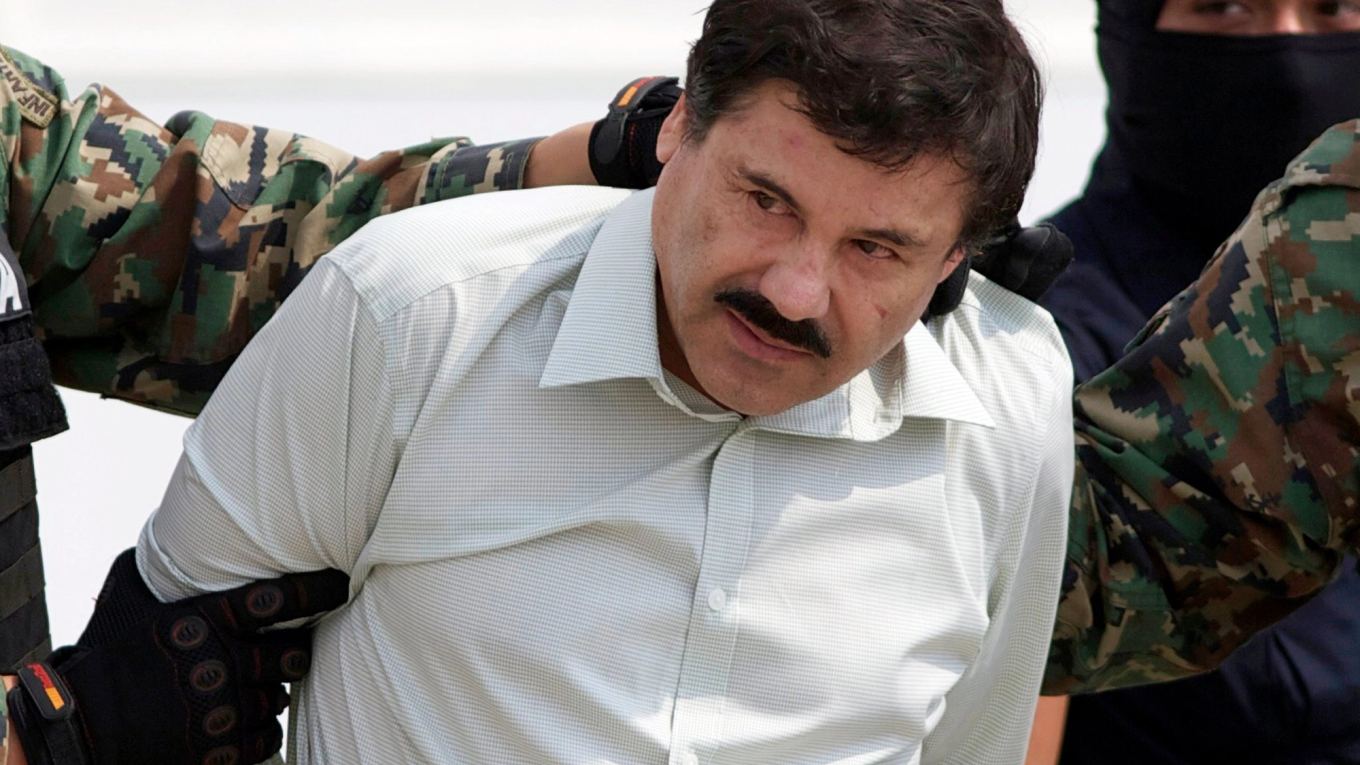
For Claudia Sheinbaum, the timing is useful. Ten months after Donald Trump said the US would "start now hitting land, with regard to the cartels", Mexico has handed Washington a top fugitive through cooperation rather than under fire. Traders already saw US military action on Mexican soil as remote; the pressure Mexico still has to manage is economic.
The capo who outlasted his own cartel
Meza Flores rose through the Beltrán Leyva Organisation in Sinaloa and later built his own group, which US authorities call the Meza-Flores Transnational Criminal Organisation. He is a key ally of Los Mayos, the Sinaloa Cartel faction the Trump administration has designated a foreign terrorist organisation. A federal court in Washington DC indicted him in May 2012 on drug-trafficking and firearms charges, and a superseding indictment in November 2019 added more counts. The State Department says his network smuggled "multi-ton quantities" of heroin, methamphetamine, cocaine and marijuana into the US for more than 20 years.
He now faces a Mexican warrant for organised crime and drug offences, and the Defence Ministry says he is also subject to a US extradition request. No timetable has been given for sending him north.
The Drug Enforcement Administration called it a win for cooperation: "The capture of El Chapo Isidro delivers a significant blow to a ruthless criminal organization." Omar García Harfuch, Mexico's security secretary, wrote that "these detentions are an important step in pacifying Sinaloa", and said troops would stay deployed in the state.
A night of fire, and what it says about the strategy
The Defence Ministry reported cartel roadblocks around Ahome, Guasave, Navolato and Guamúchil, and at least 10 roadblocks of burning vehicles went up in Guasave alone. Petrol stations and shops were set alight. Authorities have not said whether anyone was killed, and calm had returned by Saturday.
That pattern is familiar. When Mexican forces fatally wounded the Jalisco cartel's leader, Nemesio "El Mencho" Oseguera Cervantes, in February, the operation also set off burning roadblocks. "What they do is capture high-profile kingpins — the leaders — but they don't dismantle the entire organization," said David Saucedo, a security analyst, who called the arrest "a product of pressure from the United States".
Traders were not expecting American bombs anyway
Polymarket traders put the chance of a US drone, missile or air strike on Mexican soil by 31 December at 2.3% (as of 21 November), little changed from 2.5% a week ago. No such strike has been reported this year, despite Trump's January threat.
The chance of a US invasion of Mexico this year stands at 1.1%. Sheinbaum's position looks as safe: traders give 2.3% to her leaving office by the end of the year, though on only $42,000 of trading.
The arrest also tells traders little about who is next. The Jalisco cartel figures Washington is hunting stay long shots for arrest in 2026: 6% for Juan Carlos Valencia González, whom US authorities name as the group's new leader and who carries a $25mn reward, and 5.4% for Ricardo Ruiz Velasco, another alleged senior leader the US is seeking. Meza Flores was not among the names traders had been watching: big arrests tend to come by surprise.
Why the calm could still break
The strongest case against the market is Trump himself. On 20 November he said at the White House that the cartels are controlling Mexico, even as he described working with Sheinbaum on trade and on fighting cartels. By January US forces had struck about 30 alleged drug boats at sea since September 2025. A cartel attack on Americans could revive the land-strike talk quickly, and a succession war in Sinaloa would feed the argument that Mexico cannot cope alone.
For now, the leverage Washington is using is commercial. On 12 November Trump wrote that if Mexico did not stop a migrant caravan heading north, "the Tariffs on Mexico will be IMMEDIATELY DOUBLED". Mexico is negotiating to cut the Section 232 duties imposed in 2025 on its steel, aluminium and vehicles. After a roughly 20-minute meeting with Trump in Shenzhen on 18 November, Sheinbaum said the talks were well advanced, and the two agreed to meet again at the G20 summit in Florida next month.
What it means for markets, business and geopolitics
Markets With US military action on Mexican soil seen as a remote risk, the political risk premium on Mexican assets now hangs mainly on tariffs. A deal or a doubling in December would matter far more than this arrest.
Stocks and sectors Carmakers, steelmakers and aluminium producers with plants in Mexico are the most exposed to Trump's tariff threat.
Business Firms operating in northern Sinaloa, including logistics, retail and agriculture along Highway 15, face a higher near-term risk of roadblocks and arson if a succession fight follows.
Politics and policy Each handover-style arrest strengthens Sheinbaum's argument that intelligence sharing works better than unilateral force, and gives her something to bring to the G20 talks.
What to watch
The first test is whether Mexico moves quickly to extradite Meza Flores. Then comes the Trump-Sheinbaum meeting at the G20 in December, where tariffs, the caravan and cartels will share the agenda. A US strike on cartel targets, or a doubling of tariffs, would show that the bargain has broken down.
Mexico has given Trump a trophy. What it wants in return is a trade deal.