A Russian nuclear satellite could launch by December, German reports say. The nearer danger is on the ground
Future Times4 min read
In 30 seconds
Berlin is taking the Sputnik-S reports very seriously and NATO promises to defend space. But the fear rising fastest among traders is a Russian strike landing on EU soil, after three cruise missiles came down in Poland.
- A nuclear satellite launch would breach the 1967 Outer Space Treaty but is not a nuclear test; only a detonation would be
- Traders now see a Russian strike on EU soil this year as roughly as likely as a direct NATO-Russia clash
- The EU wants its 22nd sanctions package agreed in December; all 27 governments must sign off
What it means
- MarketsThe risk traders are pricing is a localised strike, not a wider war, which supports a steady premium on European…
- Stocks and sectorsSatellite operators and space insurers face the most direct tail risk from a nuclear-armed satellite; demand for…
- BusinessMore SWIFT exclusions and crypto curbs raise compliance costs for banks and exchanges handling Russia-linked flows, and…
- GeopoliticsPoland is expected to press allies for more air defence and surveillance on the eastern flank, and Friday's findings…
What to watch
Poland's final findings on whether the missiles were aimed at Polish targets; any Russian satellite launch in December; and EU talks on the sanctions package…
The odds
Polymarket · live, 09:27 GMTRussia strikes an EU country by year end
up 19 points over 7dfrom 9% a week ago13% when this was published
What would move these odds
- Poland or NATO concluding that Friday's Kh-101 missiles were aimed at Polish targets would push it up sharply
- Another salvo crossing into Poland, Romania or the Baltics during a Russian attack on Ukraine would lift it
- A quiet December on the eastern flank, or a ceasefire breakthrough, would let it drift back towards single digits
Now · 28%
Think the market's wrong? Add your forecast and see who's closer.
- NATO x Russia military clash by December 3113%up 2 points
- Russia nuclear test by December 31, 20262%unchanged
- Will Russia invade a NATO country by December 31, 20262%unchanged
Russia has a satellite built to carry a nuclear explosive, fully assembled and stored near Moscow, and it could go into orbit as early as December. That is the assessment of German military and intelligence sources, as reported on Monday by the public broadcasters WDR and NDR and the Süddeutsche Zeitung. Western intelligence warnings in early November said the satellite, dubbed Sputnik-S, could be launched within 60 days.
Berlin did not confirm the reports, but it did not wave them away either. Government spokesman Stefan Kornelius said they were being taken "very seriously", while insisting there was no "immediate threat". Chancellor Friedrich Merz said reports of Russian plans to put nuclear weapons in space "are not new, yet they remain no less shocking". Standing beside him in Berlin, NATO Secretary General Mark Rutte said: "We will always make sure that we defend every inch of NATO territory. And that includes making sure that we are safe when it comes to the space element."
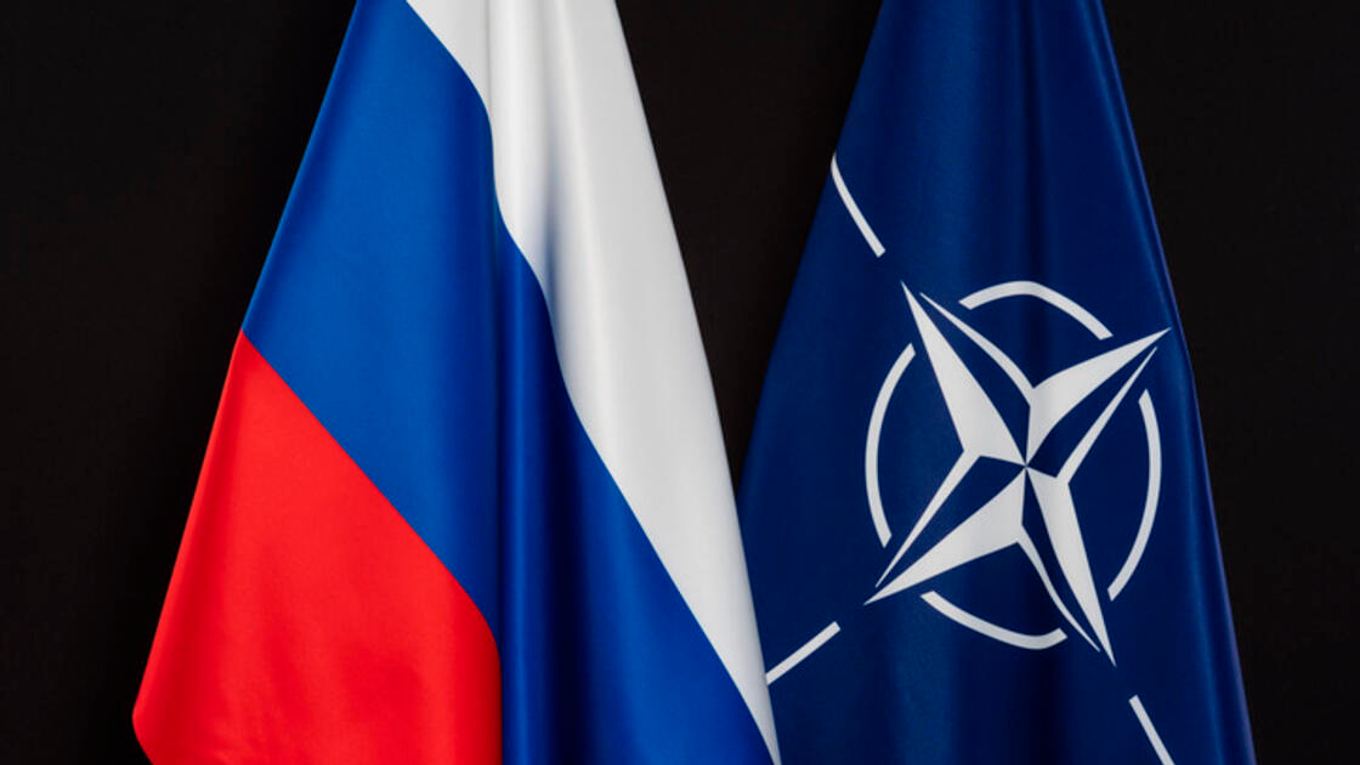
Finland summoned Russia's ambassador the same day, and Brussels unveiled a new sanctions package. Yet the clearest shift in expectations is not in orbit at all. It is on the ground in south-eastern Poland, where three Russian cruise missiles came down on Friday.
A weapon in orbit is not a bomb going off
A satellite carrying a nuclear device would breach the 1967 Outer Space Treaty, which bars weapons of mass destruction from orbit. Kremlin spokesman Dmitry Peskov said stories citing "unknown sources" were "hardly worth taking seriously".
The stakes are real. A simulation cited in the German reporting found that a well-placed detonation could knock out about 98% of satellites in low Earth orbit within a week, taking navigation, banking and communications with them.
But launching such a weapon and setting it off are different acts. Traders put the chance that Russia conducts a nuclear test this year at 5.1% (as of 23 November), up 3.2 points in a day. That question turns on a nuclear detonation, not on putting a warhead into orbit, so a Sputnik-S launch alone would not settle it. The rise reflects nerves, not a forecast of a detonation within five weeks.
Missiles in Poland are moving expectations faster
The sharper move is in whether Russia will carry out an air or missile strike that hits an EU member's soil before 31 December. Traders now put that at 13%, up 4 points on the day and 9 points on the week, from about 4% seven days ago, having briefly touched 20%.
The trigger was Friday 20 November. During a large Russian attack on Ukraine, three objects crossed into Poland. Prosecutors in Lublin said on Sunday that debris at Nowy Lipowiec, Rudnik and Molodycz came from three Kh-101 cruise missiles, made in Dubna near Moscow in October or November. Prime Minister Donald Tusk called it an apparent deliberate provocation, and Poland presented a preliminary report to an emergency North Atlantic Council meeting in Brussels on Monday.
What matters is intent: missiles that stray into an EU state on the way to Ukraine do not count, missiles aimed at targets inside it do. The spike and partial retreat suggest traders are split on how Friday will be judged, and see a higher chance that the next salvo lands on purpose.
Europe is louder, but no one expects a war
The other numbers are calm. Traders give an 11.5% chance of a direct military clash between NATO and Russian forces this year, up a point on the day but flat across the week, and only 1.8% to Russia invading a NATO country. A Russia-Ukraine ceasefire by 31 December is priced at 4.3%, down 2.5 points in a week: diplomacy offers little relief.
A Russian strike on EU soil is now priced roughly as likely as any armed exchange between NATO and Russian forces, yet an invasion barely registers. Traders expect more spillover and provocation, not a decision by Moscow to fight the alliance head on.
Finland fits that pattern. Its foreign ministry condemned Russia's "dangerous and reckless actions" in Europe after a Russian helicopter was suspected of entering its airspace off Loviisa on Saturday, hours after drones set the Russian cargo ship Sparta II ablaze in the Gulf of Finland.
The European Commission's answer is economic. Its proposed 22nd package would cut 60 more Russian banks from SWIFT, target crypto platforms used to evade restrictions, list more than 70 shadow-fleet vessels and bar Russian teams from EU sports events. "We will continue to propose new sanctions until Russia shows genuine intent for lasting peace in Ukraine," Ursula von der Leyen said. All 27 governments must approve it.
Why the calm could be wrong
If Sputnik-S reaches orbit, Russia would hold a standing threat over the satellites Western armies and economies depend on, and Rutte has now tied space to NATO's defence pledge. Missiles have already come down near where European troops were exercising in Poland. One deliberate strike would reset every number above.
What it means for markets, business and security
Markets The risk traders are pricing is a localised strike, not a wider war, which supports a steady premium on European defence and air-defence spending rather than a broad flight from European assets.
Stocks and sectors Satellite operators and space insurers face the most direct tail risk from a nuclear-armed satellite; demand for satellite resilience, space surveillance and eastern-flank air defence looks set to grow either way.
Business More SWIFT exclusions and crypto curbs raise compliance costs for banks and exchanges handling Russia-linked flows, and push trade further through third countries such as China.
Geopolitics Poland is expected to press allies for more air defence and surveillance on the eastern flank, and Friday's findings will shape how hard NATO pushes back.
What to watch
Poland's final findings on whether the missiles were aimed at Polish targets; any Russian satellite launch in December; and EU talks on the sanctions package before the holiday break. A move above 20% on an EU strike would signal that traders think Friday has been judged deliberate.
Europe's warnings are about orbit. Its exposure, for now, is in the fields of south-eastern Poland.