Spain's right is on course to oust Sánchez. The hard part starts on 23 December
Future Times4 min read
In 30 seconds
Feijóo looks set to be Spain's next prime minister, but the vote share that would let him govern comfortably is a toss-up, and the new parliament does not sit until two days before Christmas. That leaves Sánchez in office well into January.
- The new Cortes sit on 23 December, so a new prime minister before New Year is unlikely
- Vox has slipped in the polls but still holds the key to Feijóo's majority
- Spain has had no new budget since 2023, and S&P has named that as a downgrade risk
What it means
- BondsSpain's 10-year spread over German Bunds widened to about 65 basis points after the election was called in October…
- Fiscal riskSpain has had no new budget since 2023, and S&P has named budgetary deterioration amid political fragmentation as a…
- Property and housingThe two leaders offer different futures for landlords and developers.
- Europe and defenceThe PP has committed to NATO's 5% of GDP spending target, a break with Sánchez.
What to watch
- 23 NovMonday 23 November is the last day polls can be published: watch whether the projected PP-Vox seat…
The odds
Polymarket · live, 10:08 GMTFeijóo becomes Spain's next prime minister
up 1 point over 7dfrom 90% a week ago88% when this was published
What would move these odds
- Final polls on 23 November putting PP and Vox together below 176 seats would cut Feijóo's chances
- A PSOE seat lead on 29 November would revive Sánchez's path to a fresh investiture
- Vox demanding a deputy premiership or senior ministries would point to a slower deal
Now · 91%
Think the market's wrong? Add your forecast and see who's closer.
- Next Prime Minister of Spain: Pedro Sánchez10%up 1 point
- Spain General Election: PP + Vox Majority92%down 1 point
- Spain General Election: PP + Vox get 50%+ of Vote20%down 20 points
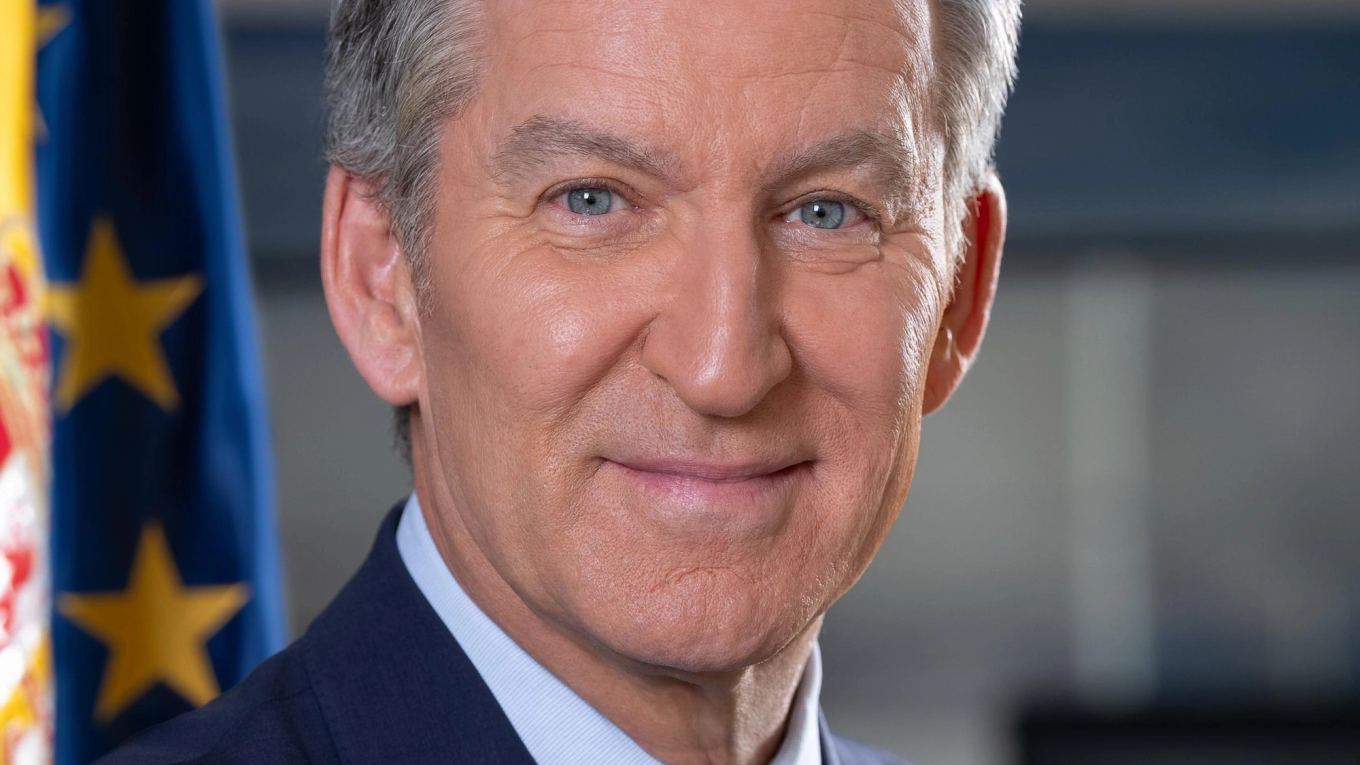
"My government has not been perfect, I have made mistakes," Pedro Sánchez told around 10 million viewers on Thursday night, opening the only head-to-head debate of Spain's snap election campaign with an apology. Alberto Núñez Feijóo spent most of his speaking time attacking that record: corruption cases, rail disasters and food prices, which have risen by almost 43% since June 2018, according to RTVE's fact-checkers.
Spaniards vote on Sunday 29 November. Traders think they already know the result. Polymarket traders give Feijóo an 87.5% chance of becoming the next prime minister (as of 20 November), up 2 points in a week, against 10.8% for Sánchez. What they doubt is how quickly the change comes, and how comfortably the People's Party (PP) will govern once it arrives.
A majority in seats, a coin flip in votes
The arithmetic runs through Vox. The PP is ahead but nowhere near the 176 seats it needs alone. The daily 40dB tracker for El País and Cadena SER on 18 November had the PP on 32.2%, the Socialists (PSOE) on 30.7% and Vox on 17%, which translates into 133, 122 and 55 seats. On that projection the right-wing bloc wins between 179 and 199 seats; the left's best case is 139.
Traders put the chance of PP and Vox together winning a majority of seats at 88.5%. But the chance of the two parties winning at least half the valid votes is only 45.5%, up 3 points in a week. The tracker's own figures add up to 49.2%. Traders expect a right-wing majority in parliament built on less than half the country's votes, a weaker mandate for the concessions Vox will seek.
Vox has been slipping. Its projected seat count fell by seven in 48 hours in the 40dB tracker, and its support among voters under 35 dropped from 31.5% to 18% in five days. That has not hurt Feijóo's chances: the PP has been the main beneficiary, although it has gained less than Vox has lost.
Traders see a closer race for first place. They give the PSOE a 23.5% chance of winning the most seats, up 5 points in a week, and the PP 76.5%, down 5. Put that next to Feijóo's 87.5%, and the market is saying that some outcomes in which Sánchez's party comes first still end with Feijóo in power. That is the 2023 election in reverse: then the PP came first and Sánchez kept the job.
Why Sánchez will still be prime minister at Christmas
The timetable is set by Royal Decree 806/2026. The new chambers "will meet, in constitutive sessions, on 23 December, at ten o'clock." Only after that can the King hold consultations and a candidate face an investiture vote. Until then Sánchez remains caretaker prime minister.
Traders have priced that calendar closely. They give Sánchez only a 13% chance of leaving office by 31 December, 44% by 15 January and 72.5% by 31 January. The central expectation is a handover in the second half of January. The end-January figure has fallen 4 points in a week, which suggests traders are starting to price a harder negotiation with Vox.
Vox is the reason. Opening his campaign in Toledo on 13 November, Santiago Abascal told Feijóo it was "a mistake to already don the robes of prime minister" and urged him to stop deciding "which ministries will exist or who they will be assigned to." Feijóo has said he would abolish the housing and equality ministries, and that certain departments "must fall primarily under the prime minister's purview." Neither man has said whether Vox would sit in cabinet. In February Feijóo said the PP had "no red lines for reaching agreements with the third largest party in our country, which is Vox."
What could still go wrong for Feijóo
The case against the market is credible. Sánchez is still the most popular leader in the 40dB tracker, with a 32.4% approval rating against Feijóo's 22.5%. The state pollster CIS puts the PSOE first on 33.3%; it is the only pollster that consistently has. Housing anger has filled the streets: unions called a general strike on 11 November under the slogan "wages, housing and prices". Sánchez closed Thursday's debate with "Anyone who can vote, should vote", a bet that high turnout favours the left.
Snap polls gave Feijóo the debate, but in one online survey 88% said it would not change their vote. Polls may not be published after Monday 23 November, because Spanish electoral law bans their publication in the five days before voting. Any late swing will go unmeasured until the count.
What it means for markets, business and politics
Bonds Spain's 10-year spread over German Bunds widened to about 65 basis points after the election was called in October, close to a 12-month high. Some investors argue that a political risk premium was already in the price. A clear PP-Vox majority would bear that out. A hung parliament, or a deal that drags into February, would test it.
Fiscal risk Spain has had no new budget since 2023, and S&P has named budgetary deterioration amid political fragmentation as a possible trigger for a downgrade. A January investiture leaves a 2027 budget months away and Spain on rolled-over spending into the spring.
Property and housing The two leaders offer different futures for landlords and developers. Feijóo promises one million new homes and 48-hour evictions of illegal occupants. Sánchez promises higher taxes on investment funds and large property owners. The result decides which of those models Spain follows.
Europe and defence The PP has committed to NATO's 5% of GDP spending target, a break with Sánchez. Delivering it would need a budget that Vox would have to back.
What to watch
Monday 23 November is the last day polls can be published: watch whether the projected PP-Vox seat total stays above 176. After the vote, what matters is the price Vox names for its support, and 23 December, when the Cortes sit.
Spain looks set to change government on 29 November. It may not actually get a new prime minister until late January.