Trump is rebuilding his tariff wall on 16 economies. The Fed is about to hike straight into it
Future Times5 min read
In 30 seconds
New duties on China, the EU, Japan and 13 other economies are being prepared as the Fed lines up a December rate rise. Its own minutes count tariffs among the causes of high inflation, and traders see almost no new trade deals to blunt the blow.
- New Section 301 duties on 16 economies would stack on the 10-12.5% forced-labour tariffs already in force
- Reported caps keep the EU, Japan and South Korea at 15% and China at 20%; India and Vietnam face no deal cap
- Fed minutes say tariff price effects were fading; a new round lands just as policymakers line up hikes
What it means
- MarketsTariffs that lift goods prices give the Fed a reason to keep hiking beyond December.
- Stocks and sectorsRetailers and importers of apparel, furniture and electronics from Vietnam, India and China face the largest uncapped…
- BusinessImporters must plan for stacked duties, the forced-labour rate plus a new excess-capacity rate, with no deal in sight…
- Politics and policyThe White House is choosing to raise tariffs as a Reuters/Ipsos poll finds 62% of Americans support repealing them.
What to watch
- 25 NovThe October PCE report on 25 November
- 9 DecThe Fed's decision on 9 December
- 10 DecNovember consumer prices on 10 December
The odds
Polymarket · live, 09:58 GMTFed raises rates by a quarter point in December
up 5 points over 7dfrom 90% a week ago94% when this was published
What would move these odds
- A hot October PCE print on 25 November would harden the case for more than one hike
- Steep proposed rates for China or India, or no carve-outs, would add to goods-price pressure before 8-9 December
- A Trump-Xi truce extension at the G20 that holds China's cap at 20% would ease one inflation risk
Now · 95%
Think the market's wrong? Add your forecast and see who's closer.
- Fed Decision in December: No change4%down 3 points
- Fed decisions December 2026 to March 2027: Hike-Hike-Hike22%up 1 point
- Which countries will Trump make new trade deals with before 2027: South Korea4%down 2 points
Jamieson Greer is about to hand Donald Trump the tool to rebuild the tariffs the Supreme Court tore down. The US trade representative is expected to publish the findings of an eight-month investigation into "structural excess capacity" in 16 economies, from China and the European Union to Japan, Mexico and India, and to propose new duties on top of the ones already in place. Three people with knowledge of the plan told Reuters the findings could come as soon as Tuesday afternoon; the Wall Street Journal, which first reported the move, said they could be unveiled within days.
The timing is awkward. The proposals land in the same fortnight as the Federal Reserve's 8-9 December meeting, where policymakers are lining up a rate rise to fight inflation that their own staff have partly blamed on earlier tariffs. Trade and monetary policy are about to squeeze consumers and a retreating stock market at once.
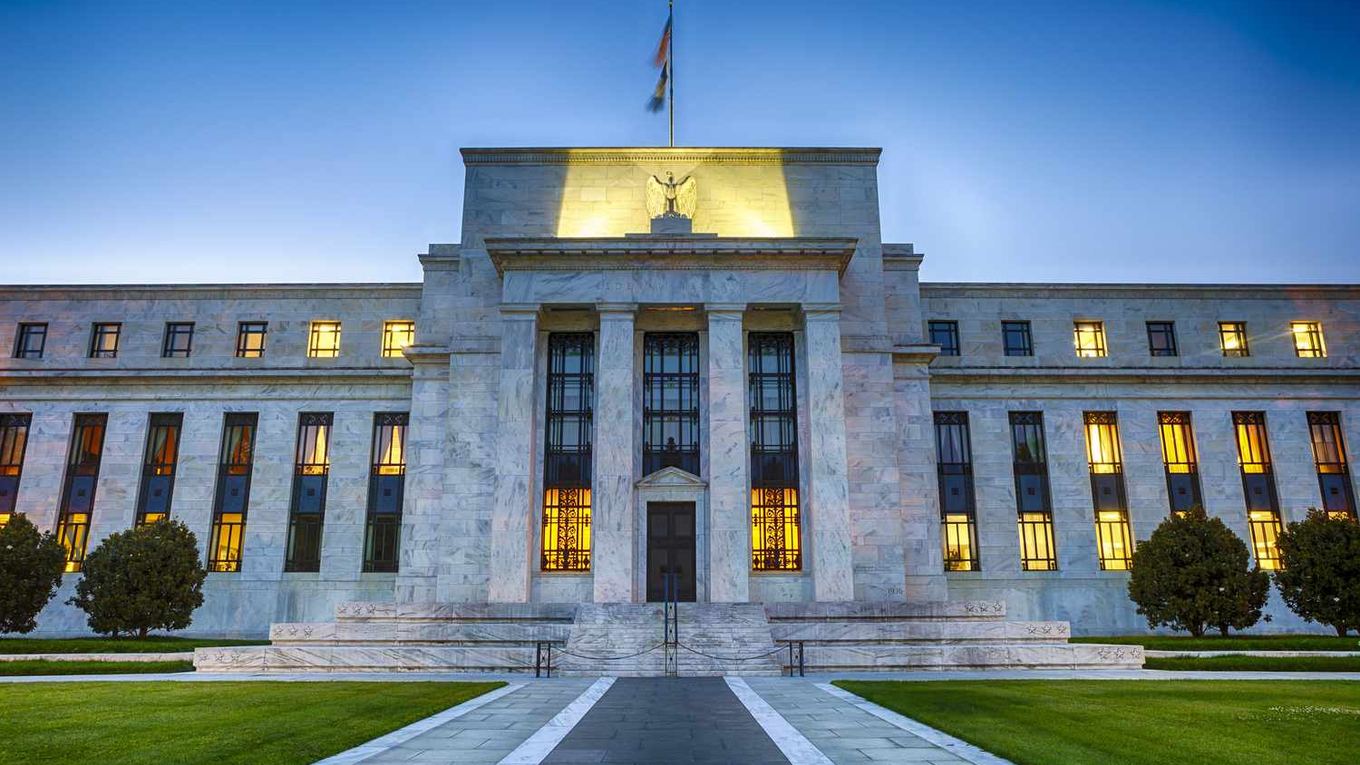
Section 301 replaces the emergency powers the court rejected
On 20 February the Supreme Court ruled that Trump's global tariffs were illegal under the emergency-powers law he had used. The administration refunded more than $100bn and, on 11 March, opened two investigations under Section 301 of the Trade Act of 1974: one into excess capacity in 16 economies, the other into forced-labour enforcement in about 60.
The forced-labour probe has already produced duties: a memorandum signed on 23 July set tariffs of 10% on economies including India and Mexico, and 12.5% on most others, China and Vietnam among them. Any excess-capacity duties would stack on top.
No rates have been published. USTR had posted nothing by Wednesday morning, and neither it nor the White House responded to Reuters. People briefed on the plan said the White House intends to honour caps in existing deals: 15% for the EU, Japan and South Korea and 19% for Malaysia. China's second-term tariffs would stay capped at 20% if a truce that expires on 10 January is extended. Mexico and Norway are unlikely to face immediate levies, according to one person, and cars and steel are expected to be carved out. India and Vietnam, with no capped deal, could be hit harder.
Erica York of the Tax Foundation expects the average US tariff rate to climb from about 12% back towards the 14%-plus it reached before the ruling. Greer is unapologetic. In a letter to the Wall Street Journal on 16 November he wrote: "So, yes, we like these tariffs very much."
Traders see no deals coming to soften the blow
Traders doubt the threat will bring partners to the table soon. As of 25 November they give South Korea a 5.8% chance of a new trade deal with Trump before 2027, Taiwan 4% and India just 2.2%, down almost 4 points in a week.
That implies the duties will bite before any negotiation can soften them. Partners will get hearings and comment periods, and people briefed on the plans say tariffs could be cut if countries reduce overcapacity. That is a 2027 process.
An inflation problem the Fed already blames partly on tariffs
Consumer prices rose 0.4% in October and core prices 0.3%, the third straight 0.3% core rise. Governor Christopher Waller has argued for considering a half-point rise in December: "Hiking only 25 basis points would put our credibility at risk, a risk I am not eager to take."
Minutes of the Fed's 27-28 October meeting show staff attributing a rise in goods inflation "largely to the effects of earlier tariff increases". Several participants also said tariff effects on prices "appeared to be waning". The median respondent to the New York Fed's survey of market participants expected rises in December and March 2027. A fresh round of import duties cuts against the fading the Fed was counting on.
Traders put the chance of a quarter-point rise on 9 December at 93.5%, and of no change at 4.6%. The October personal consumption expenditures index, due at 8.30am Eastern on Wednesday, is the last major inflation reading before the decision. In September it ran at 3.6%, and 3.1% on the core measure.
Further out, conviction fades. The chance of rises at each of the December, January and March meetings has fallen 15 points in a week to 23.5%, on only $26,000 of trading.
Why the collision may be milder than it looks
The Fed's own staff expected tariff effects to "mostly fade", and if deal caps hold, the EU, Japan and South Korea face only a few points more than they pay now. Greer cites research that foreign exporters absorbed 40-50% of the 2025 increases. A benign PCE print, generous carve-outs or a truce extension with China would leave the Fed hiking for reasons that have little to do with trade.
Stocks are less sanguine. The S&P 500 closed at 7,201 on Tuesday, down 0.5%. Traders put the chance of the index touching 6,200 by the end of December, roughly 14% below Tuesday's close, at 17%, up 10.5 points in a week. They put the chance of a US recession by the end of 2027 at 36%, up 5.5 points.
What it means for markets, business and politics
Markets Tariffs that lift goods prices give the Fed a reason to keep hiking beyond December. With 10-year Treasury yields already at 4.9%, higher rates and higher duties together press hardest on the rate-sensitive and import-heavy corners of the market.
Stocks and sectors Retailers and importers of apparel, furniture and electronics from Vietnam, India and China face the largest uncapped exposure; companies sourcing from capped partners such as Japan and South Korea face less.
Business Importers must plan for stacked duties, the forced-labour rate plus a new excess-capacity rate, with no deal in sight to reduce them before 2027.
Politics and policy The White House is choosing to raise tariffs as a Reuters/Ipsos poll finds 62% of Americans support repealing them. The China truce deadline of 10 January and the Trump-Xi meeting at next month's G20 make the final rates a moving target.
What to watch
The October PCE report on 25 November; USTR's findings, proposed rates and comment deadlines; the Fed's decision on 9 December; and November consumer prices on 10 December. A core PCE reading above 0.3% would make a second rise in January harder to resist.
The Fed spent the autumn waiting for tariff inflation to fade. Washington is about to give it a fresh supply.