Iran vows to break the US blockade by "all available means". Trump is in no hurry to hit back
Future Times5 min read
In 30 seconds
Tehran is mining tankers and firing drones at Gulf bases, yet the last US strike on Iranian soil that Washington has acknowledged was on 17 November. Traders now expect a two-week lull in American fire. A deal to reopen Hormuz remains a long shot.
- Iran's attacks are aimed at ships and Gulf bases, not US soil, which lets Washington absorb them without striking back
- Brent is near $88, about a quarter below its late-October peak, despite near-daily Iranian claims of tankers hitting mines
- Traders give the US less than a 15% chance of ending the blockade by 31 December
What it means
- MarketsOil is already pricing a US pause without a deal.
- Stocks and sectorsShipping stays the most exposed sector, with war-risk insurance at 3.5-7.5% against 0.1-0.25% before the war, because…
- GeopoliticsGulf states hosting US forces carry the cost of a lull that only covers Iranian soil, which strengthens Qatar's hand as…
- PoliticsTrump's new-year timetable lets the blockade do the work through the holidays, while some Senate Republicans weigh…
What to watch
- 30 NovThe 30 November deadline is the first test: any acknowledged US strike on Iran before then would…
The odds
Polymarket · live, 11:59 GMTUS holds fire on Iran for two weeks from November
up 33 points over 7dfrom 53% a week ago69% when this was published
What would move these odds
- A confirmed US air or missile strike on Iranian soil before 30 November would reset the clock and push the odds down
- A strike that kills Americans in Bahrain or Kuwait would raise pressure on Trump to retaliate
- A Qatari-brokered round of talks would firm up the lull
Now · 86%
Think the market's wrong? Add your forecast and see who's closer.
- US x Iran Effective Ceasefire begins by...? (2 week pause): December 3195%up 21 points
- US x Iran Effective Ceasefire begins by...? (2 week pause): November 2281%up 47 points
- US-Iran Hormuz Agreement by December 3111%down 1 point
Iran's navy said on Tuesday that two more tankers had caught fire after hitting mines east of the Strait of Hormuz. The Joint Maritime Information Centre, a multinational shipping monitor, has called similar Iranian mine claims unconfirmed. The strait, the navy added, "will never be reopened until Iran's objectives and demands are met." And Tehran has said plainly it will fight the American blockade: "We will certainly not tolerate these actions and will use all available means to counter U.S. aggression," Esmaeil Baqaei, the foreign ministry spokesman, told his weekly briefing on Monday.
Donald Trump's answer has been to shrug. Iran had launched "more drones and missiles over the past week than at any time for over a year," he wrote on Sunday, but "Don't worry, they've all been knocked down, and done no damage." He told Fox News he was inclined to resume strikes on Iran after the new year if talks fail. The message from Washington is that the blockade stays, and the bombing waits.
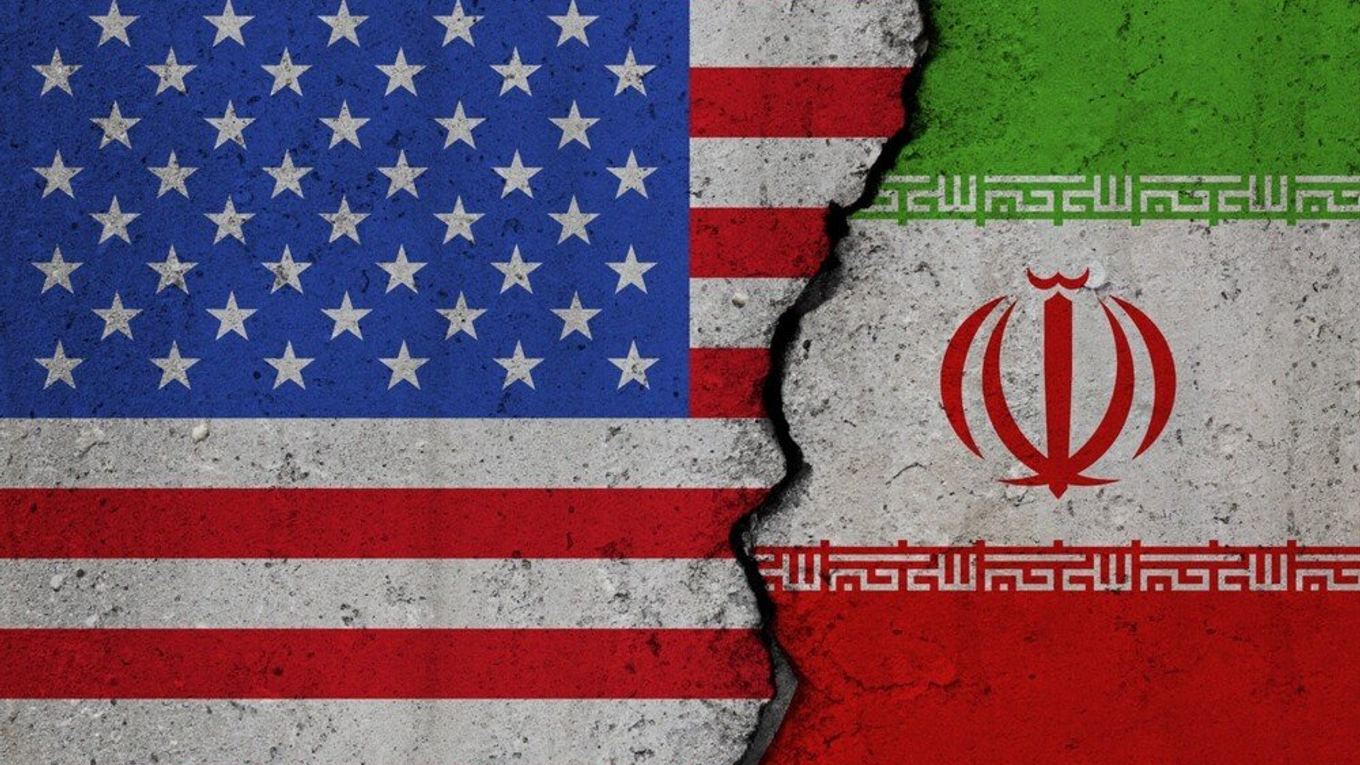
That is what traders are pricing. As of 24 November they put the chance of a two-week stretch with no US air or missile strike on Iranian soil, starting by 30 November, at 68.5%, up 15 points in a day. Iranian attacks on ships and Gulf bases do not count against that lull; only American fire on Iran itself does. A pause looks likely. A settlement does not.
A war fought at sea, not over Iran
Baqaei called the blockade "an act of military aggression". Amir Hatami, the army commander, ordered the navy on Monday to close the strait "further day by day" until Iran's seven conditions are met, warning that if the US "starts another war" the response would be "without geographical limitation."
Yet Iran's targets have been American bases on Arab soil and the ships around them. Bahrain, home to the US Navy's Fifth Fleet, said an Iranian strike set fire to a civilian industrial facility in Sitra on 21 November, after three drone attacks on the kingdom in a matter of days. On 18 November Iran said its drones hit Patriot air defences at Ali Al Salem air base in Kuwait. At least 25 tankers were hit in and around Hormuz in the week to 22 November.
The last US strike on Iranian soil that Washington has acknowledged came on 17 November, against a missile launch site on Qeshm Island. Iran's Revolutionary Guards have since claimed a US strike on a radar on Hengam Island. That uncertainty shows in the prices: traders are split almost evenly, at 50.5%, on whether the quiet stretch has already begun.
Why the odds jumped so sharply is not clear; no pause has been announced. The move came as Mohammed bin Abdulrahman Al Thani, Qatar's prime minister, met Marco Rubio and JD Vance in Washington on Monday, saying the region "cannot bear a renewed escalation of tensions between the United States and Iran." Yet Mohammad Bagher Ghalibaf, the parliamentary speaker who leads Iran's negotiators, said "before the implementation of Iran's seven conditions there will be no action and no negotiation." By 31 December, traders give an American lull 84%.
The gap between a pause and a deal
The same traders see almost no path to a settlement. They give a US-Iran agreement to restore shipping through Hormuz 12.5% by year end, and a final nuclear deal 2.5%. The chance that Washington announces an end to the blockade by 31 December is 15%. A US invasion of Iran before 2027 sits at 5.5%.
The picture is of a frozen conflict. As Treasury added about two dozen Iranian front companies and exchange houses to its sanctions list on Monday, Scott Bessent, the Treasury secretary, said "Iran's economy is underwater, and its leaders are panicking." Washington has little reason to bomb while that pressure works, and Tehran has little reason to talk while its demands, including lifting the blockade, go unmet. Mediators are floating an easing of disruption in Hormuz for limited sanctions relief, with nuclear talks to follow. Nothing in the prices says either side is close to accepting it.
Oil has stopped believing the threats
Brent traded at $88.40 a barrel on Tuesday afternoon in Singapore, roughly 24% below its late-October peak, after closing above $117 on 30 October. Bypass routes, ship-to-ship transfers and more supply from the Americas are offsetting the attacks. Traders now give US crude a 25.5% chance of falling to $75 before the end of November, up 12 points in a day, and only 8.5% to reaching $90, down from 47% a week ago.
Why the lull could still break
Trump's patience depends on Iran's attacks doing no damage. A drone that kills American sailors in Bahrain, or a mine that sinks a US-escorted tanker, would make holding fire far harder. Ghalibaf has spoken of "military ways to break the blockade," and TankerTrackers.com has spotted a tanker loading Iranian crude in the Gulf, potentially the first export since the blockade returned in July. Trump has said vessels testing it would end up "at the bottom of the sea like the rest of the navy." A sinking is the kind of event that ends lulls.
What it means for markets, business and geopolitics
Markets Oil is already pricing a US pause without a deal. The risk of a sharp spike now lies in a single incident at sea, not a renewed bombing campaign.
Stocks and sectors Shipping stays the most exposed sector, with war-risk insurance at 3.5-7.5% against 0.1-0.25% before the war, because mines and the blockade outlast any pause in air strikes; airlines and other heavy fuel users gain most from oil easing back.
Geopolitics Gulf states hosting US forces carry the cost of a lull that only covers Iranian soil, which strengthens Qatar's hand as mediator.
Politics Trump's new-year timetable lets the blockade do the work through the holidays, while some Senate Republicans weigh limits on the war.
What to watch
The 30 November deadline is the first test: any acknowledged US strike on Iran before then would push the lull into December. Watch for a date for Qatari-brokered talks and whether any tanker sails out of Iranian waters under escort. Brent back above $100 would signal that traders have stopped believing the pause.
For now, both sides are choosing pressure over war. That is not the same as choosing peace.