Russia answered the Crimean Bridge strike by hitting two Kyiv bridges. Trump still meets Putin this week
Future Times5 min read
In 30 seconds
Ballistic missiles struck the North and South bridges over the Dnipro hours after Kyiv, Washington and Europe held new peace talks. Traders see almost no chance of a ceasefire this year, and do not expect one agreed before late spring.
- An energy truce, the smallest deal on the table, has slid to 17% for this year since trading began on 11 November
- Moscow says it wants peace for "years, even centuries" and has not accepted Europe's seat at the table
- Traders put better-than-even odds on a ceasefire agreement only from May 2027
What it means
- MarketsWith an energy truce priced at less than one in five this year, strikes on Russian refineries and Ukrainian power look…
- BusinessRepeated hits on Kyiv's river crossings and utilities raise the winter cost of operating in the capital, from logistics…
- Politics and policyEurope now has seats at the table but Moscow has not accepted them, so the EU's leverage still rests on what Kallas…
- GeopoliticsA summit that ends without a dated pause would confirm that the war's timeline is set by the battlefield, not Shenzhen…
What to watch
- 17 NovThe Ukraine Defense Contact Group meets at NATO headquarters in Brussels on Tuesday 17 November…
The odds
Polymarket · live, 12:09 GMTRussia and Ukraine in a ceasefire by 31 December
up 1 point over 7dfrom 4% a week ago7% when this was published
What would move these odds
- A one-on-one Trump-Putin meeting in Shenzhen that produces a dated pause in strikes would lift the odds
- Russian acceptance of the European negotiators would signal talks can widen
- A further round of strikes on bridges, power or refineries would push them lower
Now · 5%
Think the market's wrong? Add your forecast and see who's closer.
- Russia x Ukraine ceasefire agreement by December 318%down 2 points
- Russia x Ukraine Ceasefire by March 31, 202719%down 1 point
- Russia x Ukraine energy ceasefire agreement by December 3110%up 1 point
Air defences opened up over Kyiv at 11.34pm on Monday. Eleven minutes later the mayor, Vitali Klitschko, reported that Russian ballistic missiles had struck the North and South bridges, two of the main road crossings over the Dnipro. By a quarter past midnight he was warning that "critical infrastructure systems have been damaged", cutting water and heating in parts of the capital.
The strike came less than a day after Ukraine hit the Crimean Bridge in a barrage in which Russia's defence ministry said it downed 2,049 drones in 24 hours, which would make it the biggest drone attack of the war. Ukraine struck the Kerch crossing again overnight; Sergey Aksyonov, Crimea's Russian-installed governor, said traffic was suspended. Each side is now going after the other's bridges, refineries and power, and doing so in the days before Donald Trump sits down with Vladimir Putin and Xi Jinping in Shenzhen.
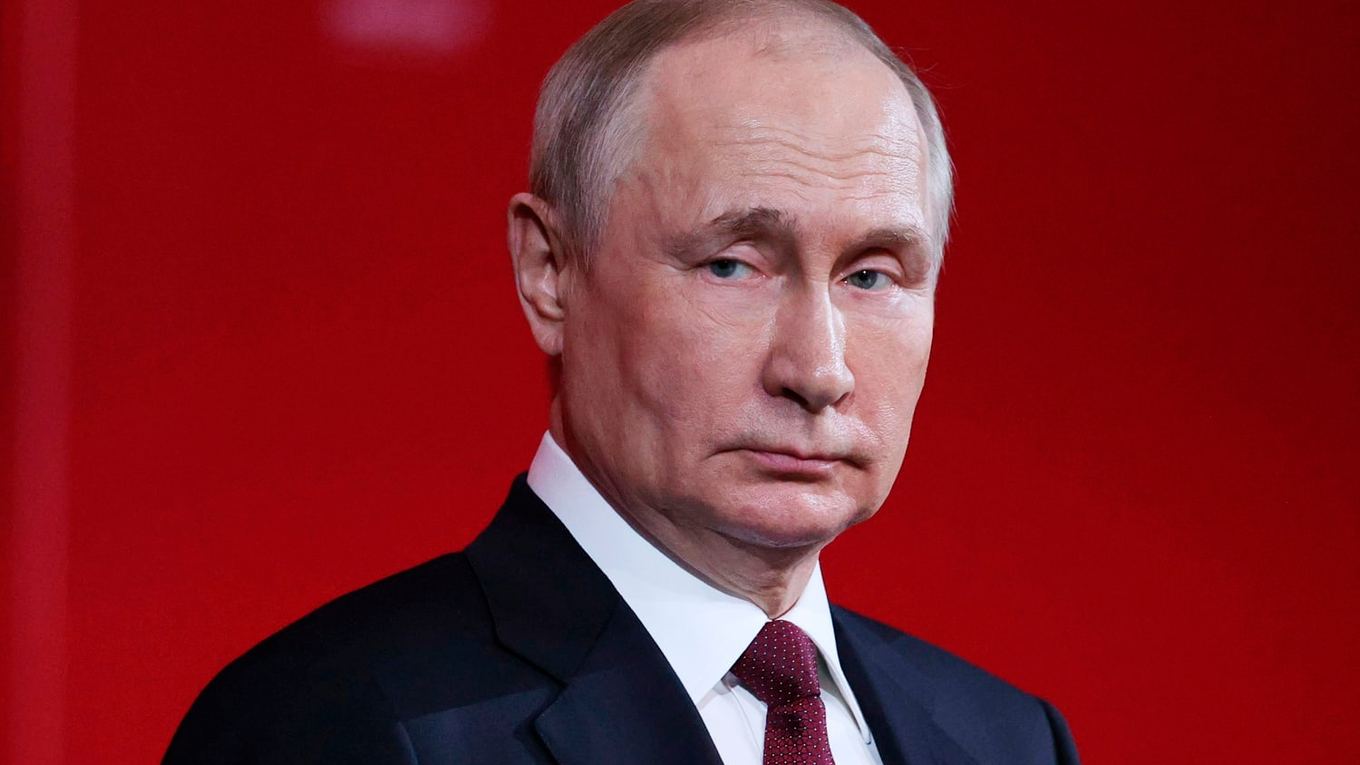
Traders do not expect that meeting to stop the fighting. On Polymarket, as of 17 November, they put the chance of a ceasefire taking effect and holding for ten days by 31 December at 6.8%, on $2mn of trading. Their central expectation for a signed ceasefire is late spring or early summer of 2027.
Talking and shooting on the same night
The missiles fell hours after Volodymyr Zelensky held online talks with Trump's envoys, Steve Witkoff and Jared Kushner, and with representatives of France, Germany, Britain, Italy and Poland. Those five, with EU officials, have been chosen to represent Europe in any future talks with Russia. "The conversation was not easy, but there is a result," he said. The group agreed to meet next in Berlin with the coalition of countries backing Kyiv.
Kushner said progress was being made, but wrote on X that "important challenges remain, and a final agreement will require difficult decisions." Moscow is not yet on board with the format. Yuri Ushakov, a Kremlin aide, said Russia had not agreed to widen talks beyond the Russian, Ukrainian and American delegations that met in Abu Dhabi earlier in November, and no date is set for another round. Dmitry Peskov, the Kremlin spokesman, said Moscow wanted a peace that lasts "years, even centuries", and that talks could take considerable time.
Europe's position hardened in Brussels on Monday. Arriving at the Foreign Affairs Council, Kaja Kallas, the EU's foreign-policy chief, said "the Russian demands are maximum demands and really absurd", and that a ceasefire must come first "to actually start the talks about anything else". She accused Russia of "attacking infrastructure when it comes to trains, when it comes to bridges" so that Ukrainians "surrender before this hard winter". Kallas will not be at the table herself: EU leaders gave the bloc's seat to officials from the offices of António Costa and Ursula von der Leyen.
A truce on power plants looks almost as distant
The strongest evidence that traders read the past 48 hours as escalation lies in the smallest deal on offer. An energy truce, under which both sides agree to stop striking at least one defined category of the other's energy infrastructure, is the kind of limited arrangement that often comes before a broader ceasefire. Traders give it 16.5% by 31 December, and it has fallen steadily since trading opened on 11 November. By 30 November they give it 4.5%.
When even a partial pause on refineries and power lines is marked down, the summit is not being priced as a turning point. Trump sounds hopeful; of Putin, he said "frankly, I think he'd like to see it finish". Traders are almost certain the two men will meet by 30 November, at 99%. They are far less sure the meeting will change the fighting.
Why the calendar points to 2027
Two sets of questions frame the outlook. One asks whether a ceasefire actually takes effect and holds for ten days; the other only whether one is agreed, even if it begins later. The gap between them is the time it would take to put any deal into effect.
Table: Traders' odds on an end to the fighting (17 November 2026)
| By | Ceasefire agreed | Ceasefire in effect |
|---|---|---|
| 31 December 2026 | 10.5% | 6.8% |
| 31 March 2027 | 35.5% | 22.5% |
| 30 April 2027 | 42.5% | — |
| 31 May 2027 | 51.5% | — |
| 30 June 2027 | 53.5% | — |
The chance that a ceasefire is agreed crosses one in two only by the end of May 2027. That is the market's central expectation: an agreement in the late spring or early summer, with the winter fought out first. Even by 31 March, traders give less than a one-in-four chance that guns have actually fallen silent.
What would prove the market wrong
The case for an earlier deal is real. Washington, Kyiv and the main European capitals now negotiate in one format, and a one-on-one Trump-Putin meeting in Shenzhen is being arranged, according to Ushakov. Against that, Moscow has not accepted the European seats, says talks could take a long time and has just answered a strike on its most symbolic bridge with strikes on Kyiv's. For the market to be wrong, Russia would have to accept a pause well before its stated timetable.
What it means for markets, business and geopolitics
Markets With an energy truce priced at less than one in five this year, strikes on Russian refineries and Ukrainian power look set to continue through winter, keeping a risk premium on Russian refined-product supply and on Black Sea shipping.
Business Repeated hits on Kyiv's river crossings and utilities raise the winter cost of operating in the capital, from logistics to backup power.
Politics and policy Europe now has seats at the table but Moscow has not accepted them, so the EU's leverage still rests on what Kallas called "our sanctions" and "frozen assets", not on the negotiations.
Geopolitics A summit that ends without a dated pause would confirm that the war's timeline is set by the battlefield, not Shenzhen, and push the decisive diplomacy into the spring.
What to watch
The Ukraine Defense Contact Group meets at NATO headquarters in Brussels on Tuesday 17 November, convened by Britain and Germany, after Zelensky asked Europe for more air defences. Then come Trump's talks with Putin and Xi in Shenzhen at the end of his Asian tour, and the Berlin meeting of Kyiv's backers. A clear rise in the energy-truce odds would be the first sign that the summit has moved anything.
Until then, both sides are aiming at bridges.