Washington and Beijing Float a Trade Body. The Details Are Thin.
Future Times2 min read
In 30 seconds
The US and China are exploring a new bilateral "Board of Trade" to manage economic tensions, following what officials described as "remarkably stable" talks in Paris last week.
The odds
Polymarket · when published, 22 Mar 2026U.S. tariff rate on China on March 31 between 5-15%?
The proposal, first reported by Bloomberg on 16 March and confirmed by Reuters and RTV Online, emerged from economic discussions between US and Chinese trade officials in the French capital. Treasury Secretary Scott Bessent called the talks "very good" and signalled that the mechanism could provide a permanent institutional channel for managing trade disputes, agricultural purchases, and technology restrictions outside the cycle of tariff threats and retaliatory escalation that has defined the relationship since 2018.
The concept is not entirely new. Washington and Beijing previously operated the Joint Commission on Commerce and Trade, established in 1983, and the Strategic and Economic Dialogue under the Obama administration. Both were abandoned during the Trump era's first trade war. The proposed Board of Trade would function as a successor body, though its mandate, membership, and enforcement powers remain undefined.
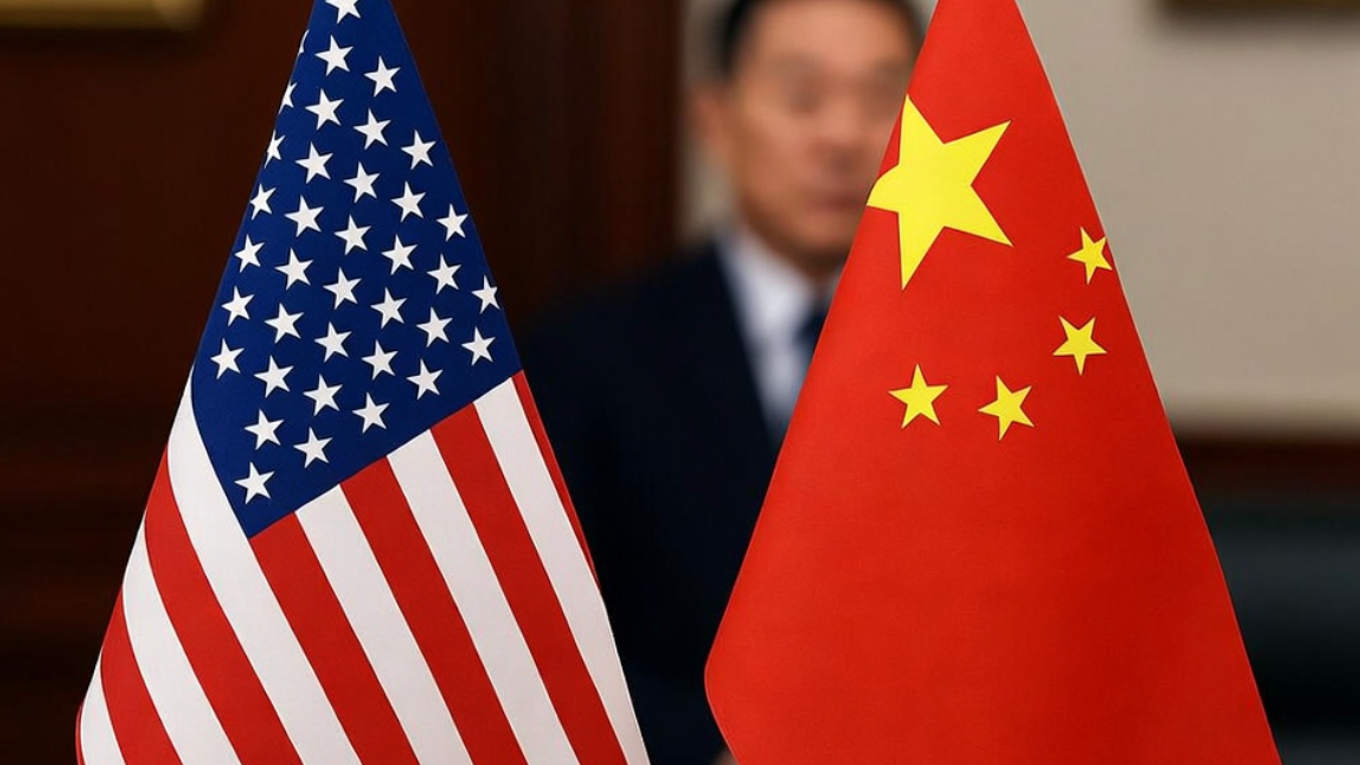
The timing matters. The Iran war has pushed the US to seek Chinese cooperation on reopening the Strait of Hormuz, giving Beijing unusual leverage in a relationship that has otherwise been defined by confrontation over semiconductors, Taiwan, and industrial subsidies. Trump signalled a possible delay to a planned Beijing summit on 16 March, but the trade mechanism appears to be advancing on a separate track.
For professional readers with China exposure, the practical question is whether this body would have authority over tariff levels, technology export controls, or investment screening. Early reporting suggests it would not. The more likely outcome is a consultative forum that reduces volatility in bilateral rhetoric without altering the structural decoupling already underway. Politico reported in February that Chinese imports into the US are "falling across the board," a trend that institutional architecture is unlikely to reverse.
Hong Kong Free Press noted on 22 March that experts "flag market worries" about the proposal, cautioning that a formal mechanism could create false confidence while leaving the hardest disputes unresolved. The Board of Trade, if it materialises, will be worth watching for what it cannot do as much as for what it can.