Trump says he is "not rushing" on Iran. His own commanders warn that waiting past New Year has a cost
Future Times4 min read
In 30 seconds
Traders now expect American strikes on Iran to fall quiet into early December. They have moved the other way on Israel, giving roughly a 40% chance that Israel and Iran trade direct blows before the year is out, with most of that risk falling in December.
- The last confirmed US strike on Iranian soil was on Qeshm Island on 17 November; Central Command denied a second on 20 November
- A senior US-Iran meeting before January looks unlikely to traders, at 17%, and a signed nuclear deal by year end at 5%
- US crude settled at $83.41 on Friday, and traders lean towards a dip below $80 before November ends
What it means
- MarketsOil's slide rests on the American lull.
- Stocks and sectorsAirlines and other heavy fuel users gain from each quiet week; oil majors such as Exxon Mobil and Chevron from any…
- PoliticsThe 11 December funding deadline is now the main lever against a winter campaign.
- GeopoliticsWith talks frozen and a deal priced at 5%, the blockade remains Washington's main tool.
What to watch
- 11 DecThe 11 December funding vote and Eisenkot's coalition talks will show how much room Netanyahu has
The odds
Polymarket · live, 09:45 GMTIsrael-Iran ceasefire holds through 2026
up 13 points over 7dfrom 66% a week ago60% when this was published
What would move these odds
- Any Israeli strike on Iranian territory, or an Iranian missile reaching Israel, would end the ceasefire outright
- A joint US-Israeli campaign after the 11 December funding deadline would push year-end odds sharply lower
- A new round of US-Iran talks in Qatar or Oman would lift them
Now · 79%
Think the market's wrong? Add your forecast and see who's closer.
- US x Iran Effective Ceasefire begins by...? (2 week pause): November 2281%up 47 points
- US x Iran Effective Ceasefire begins by...? (2 week pause): November 3086%up 33 points
- US x Iran Effective Ceasefire begins by...? (2 week pause): December 3194%up 20 points
Donald Trump spent Thursday and Friday telling anyone who asked that the next move on Iran can wait. "I'm not rushing to make any decisions on Iran," he said, adding that he would talk about new strikes "after the beginning of the year" because "we've got time". The Financial Times has reported that US Central Command has told the administration the opposite: that a military stalemate dragging into the new year would eat into American readiness.
That gap between the president's calendar and his commanders' explains why prediction markets moved two ways at once over the past day. Traders grew more confident that American strikes on Iranian soil will pause for two weeks from late November, and less confident that the separate truce between Israel and Iran, which has held since the summer, survives December.
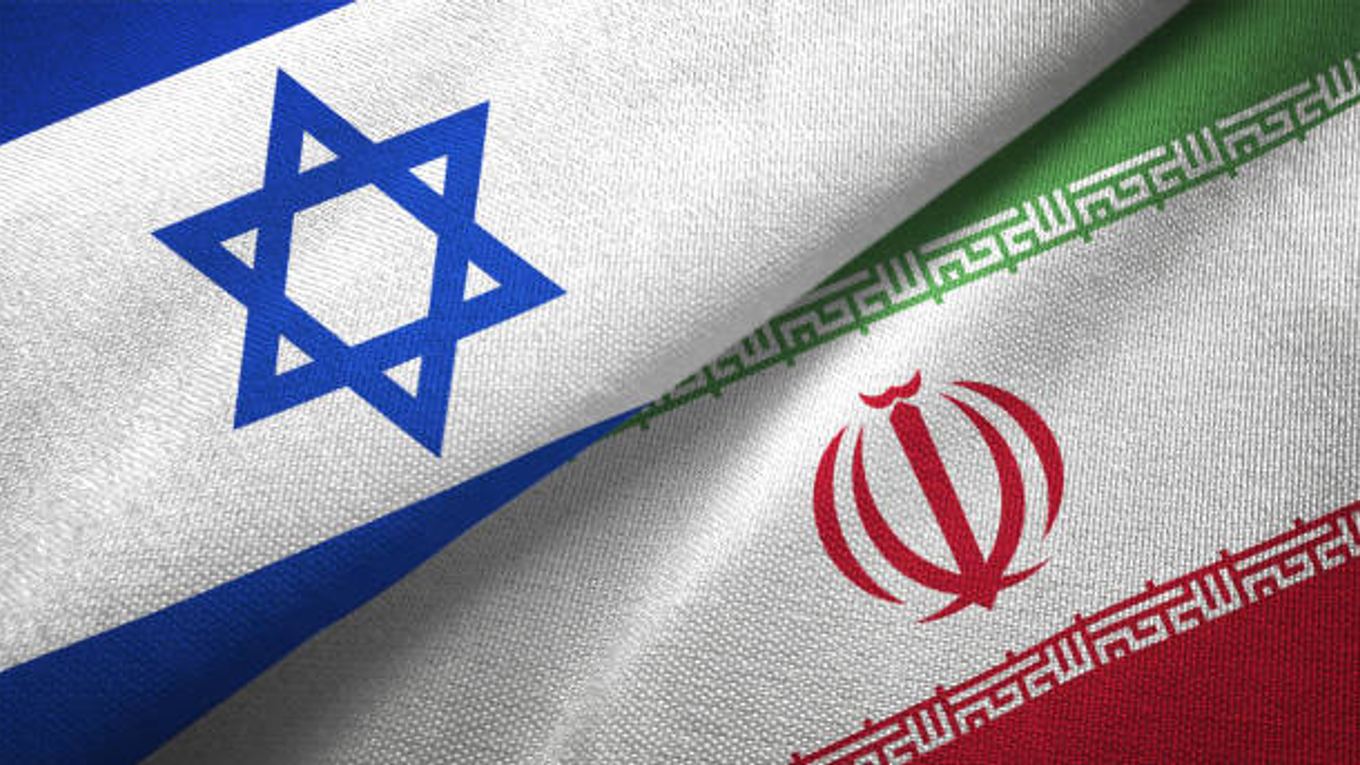
A quiet fortnight from Washington
The last confirmed American strike on Iranian territory came on 17 November, when US forces hit a Revolutionary Guards missile site on Qeshm Island in what an official called "self-defense". When Iran's Tasnim news agency reported a missile hitting the island again on 20 November, Central Command denied carrying out any new strike.
Polymarket traders now put the chance of a two-week stretch with no US air or missile strike on Iranian territory, beginning by 22 November, at 41% (as of 21 November), up 8 points in a day. A stretch beginning by 30 November stands at 56%, up 10 points, and one beginning by 31 December at 85%, up 12. In plain terms, the market now treats a lull in American fire around the turn of the month as slightly more likely than not.
This is not a forecast of peace. Trump said on Friday that Iran wants a deal "but they don't want to make a deal that's acceptable to me". Traders give only 17% to a senior US-Iran diplomatic meeting by 31 December, down 10 points in a week.
Israel's clock runs faster
Israel is pressing the other way. The New York Times reported that Benjamin Netanyahu wants a joint Israeli-American campaign lasting four to seven days. Sources told CBS News that the two governments are considering a new assault in the short term, driven by Israeli concern that Iran is rebuilding ballistic missile production and moving sites underground.
Tehran is signalling that a second round would not be short. Army spokesman Mohammad Akraminia said this month that "the next war could be considerably longer than the previous one".
Traders give 84% to the Israel-Iran ceasefire lasting through 30 November, 68% through 15 December (down 5 points in a day) and 60% through 31 December (down 7 points). The truce counts as broken if either country lands an air or missile strike on the other's territory. Most of the risk sits in December, not the next ten days.
Reading the two together
The two sets of prices are less contradictory than they look. A quiet American fortnight from late November and a riskier late December can both be true, and they fit Trump's timetable. He wants to decide after 1 January; Republicans control the Senate only until 3 January. A stopgap funding bill must pass by 11 December, and some Democrats want to attach limits on Iran operations to it.
Traders see the risk as limited: only 7.5% for a US ground offensive into Iran before 2027, and 5% for a signed nuclear deal by year end. The danger they are pricing is a short air campaign, which would break the Israeli truce and any American lull at once.
The case against that December worry is that Israeli politics may hold Netanyahu back. Gadi Eisenkot holds the mandate to form Israel's next government, and Avigdor Liberman has said there is no security justification for striking Iran now. The administration says its blockade and sanctions are working. If Washington keeps saying no, an Israeli strike alone looks harder.
Oil has stopped believing in escalation
Oil has priced in calm. Brent settled at $92.57 a barrel on Friday, down 3.4% on the week, its third weekly loss in a row. US crude settled at $83.41. The International Energy Agency expects a surplus this quarter. "Without fresh escalation, the market remains biased lower," said Arne Lohmann Rasmussen, chief analyst at Global Risk Management.
Traders give 60% to US crude trading below $80 at some point before November ends, up 24 points in a week, against 30% for a spike to $90. They see almost no chance, 2.8%, of traffic through the Strait of Hormuz returning to normal by year end. Energy Secretary Chris Wright says flows through the strait are at a record, but Iran has stepped up attacks on tankers crossing it. Crude has priced out escalation, so an Israeli strike in December would come as a surprise.
What it means for markets, business and politics
Markets Oil's slide rests on the American lull. It leaves little room for a renewed air campaign in a month when traders put the chance of the Israel-Iran truce breaking at about two in five.
Stocks and sectors Airlines and other heavy fuel users gain from each quiet week; oil majors such as Exxon Mobil and Chevron from any December flare-up. Continued attacks on Hormuz shipping limit how far either move can run.
XOMCVXDALUALPolitics The 11 December funding deadline is now the main lever against a winter campaign. A stopgap that restricts Iran operations would make a strike before Democrats take over in January more costly for the White House.
Geopolitics With talks frozen and a deal priced at 5%, the blockade remains Washington's main tool. The question for December is whether Israel accepts that or forces the pace.
What to watch
Any US strike on Iranian territory before early December would reset the American lull. The 11 December funding vote and Eisenkot's coalition talks will show how much room Netanyahu has. Houthi fire matters too: the Saudi-led coalition intercepted three missiles aimed at Riyadh on Saturday, two days after a Houthi strike damaged the Public Investment Fund's tower.
Trump says the clock is his. His commanders, Israel and Congress are all working to a shorter one.