‘We’ve got their Strait’: Trump walks away from an Iran deal and leaves the blockade to do the work
Future Times4 min read
In 30 seconds
Trump took Vance off the Iran file. Within hours traders had cut the odds of every way out on offer, from a meeting to a nuclear deal, and now see the US naval blockade of Iran running into 2027.
- Vance, who led the talks that produced June's short-lived pause, has been moved to domestic corruption work
- Tehran's two-day ceasefire offer still stands, but its seven conditions include lifting the blockade
- Brent rose about 2% on the post but is still roughly 20% lower for November
What it means
- OilBrent rose 1.9% to $94.48 a barrel after Trump's post but is still about 20% lower for November.
- Shipping and insuranceIran says tankers using a southern route it calls "unauthorised" are hitting mines.
- US politicsWith Vance off the file, Iran policy rests with Trump, Rubio and Bessent's Treasury.
- GeopoliticsGulf mediators, Qatar above all, lose the official who led American talks.
What to watch
- 15 NovWhether a two-week pause in US strikes has begun by 15 November will be clear on Sunday
The odds
Polymarket · live, 08:32 GMTUS announces end of Iran blockade by 31 December
down 15 points over 7dfrom 34% a week ago30% when this was published
What would move these odds
- A named replacement for Vance on the Iran file, or a Qatari-brokered meeting, would lift the odds of an announced end
- Iran mining or striking more tankers on the southern Hormuz route would push the end further out
- Treasury or White House signals that the blockade has done its job would pull the timeline forward
Now · 19%
Think the market's wrong? Add your forecast and see who's closer.
- US announces end of Iranian blockade by March 3154%down 12 points
- Next US-Iran senior diplomatic meeting by December 31, 202626%down 15 points
- US-Iran Hormuz Agreement by December 3118%down 18 points
"We don't need a deal with Iran," Donald Trump wrote on Truth Social on Thursday morning. "Those days have long since passed." He added: "We've got their money, Hundreds of Billions of Dollars, and we've got their Strait!"
The same post removed the administration's chief negotiator. Trump said he had asked Vice-President JD Vance to give "his complete and total attention" to alleged crime and corruption in Democratic-run states. Vance led the April talks in Pakistan that produced a June pause in the war, which collapsed within weeks. After the midterms he wrote that the war was largely to blame for the Republicans' midterm defeat.
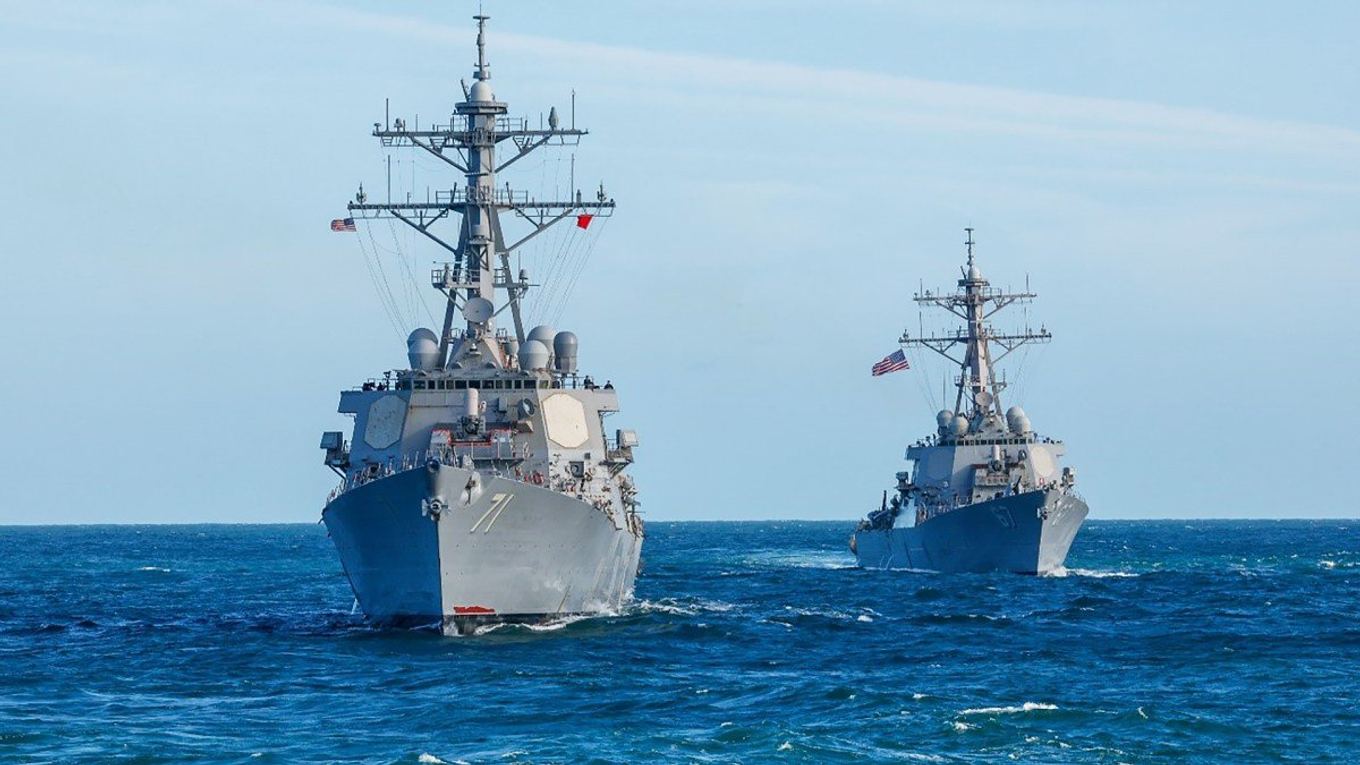
Traders took the President at his word. On Thursday they marked down every diplomatic route they can trade: a pause in American strikes, a senior meeting, a Hormuz agreement and a final nuclear deal. Their message: the blockade, not negotiators, will finish this war, and it will take until next year.
A strategy of waiting
The post hardens a line built all week. On Monday Trump said "Iran militarily is effectively over" and "We're just keeping it the status quo." After Treasury Secretary Scott Bessent moved onto a military base because of Iranian threats, the Treasury said its sanctions campaign and the blockade "together are collapsing Iran's economy".
A White House official would not say whether talks had ended, pointing instead to the blockade and economic pressure. On Tuesday Secretary of State Marco Rubio called Tehran's demands, including war reparations, "absurd".
Iran has not moved either. Its seven conditions include an end to hostilities on all fronts, the release of frozen assets and the lifting of the blockade. Its military said on Thursday that four tankers had been hit by explosions in the Strait of Hormuz after ignoring its warnings, a claim that could not be independently verified.
Every exit narrowed at once
As of 12 November, Polymarket traders give 30% to Washington announcing an end to the blockade by 31 December, down 14 points in a week. By 31 March the chance is 62%. That puts the most likely end in the first quarter of 2027.
The diplomatic markets fell harder. Traders put the chance of a senior US-Iran meeting, direct or indirect, by the end of the year at 31%, down 12 points in a week. A US-Iran agreement on Hormuz traffic by 31 December is at 23.5%, down 8 points in a day. A signed final nuclear deal by year end fell 5 points to 7.5%.
The order matters. A meeting is the first step towards any agreement, and traders give it less than a one-in-three chance; a nuclear deal sits at the end of that chain and is barely priced. Even when the blockade ends, it will be a political announcement before it is a commercial fact: traders give just 6.5% to Hormuz traffic returning to normal by 31 December.
No deal, but no bombs either
On Sunday Trump called fresh American strikes "highly unlikely" while talks continued, and traders still agree. They give 63% to a two-week pause in US air and missile strikes on Iran beginning by 30 November, and 78% by year end. The nearest date took the biggest hit: a pause beginning by 15 November fell nearly 10 points in a day to 45%, on only about $230,000 of trading.
Traders also give 84.5% to the Israel-Iran ceasefire holding through 22 November, 7 points lower than a day earlier. The picture is a siege: no talks, few strikes and a blockade that runs on. It is the "neither war nor peace" that Iran's president, Masoud Pezeshkian, says the supreme leader wants ended.
Why the siege could end sooner
The strongest case against the market is that Trump has reversed himself before. Qatar is still mediating, Iran's offer to implement a ceasefire within two days still stands, and a White House that will not say whether talks are over has not closed the door.
The blockade may also work faster than traders think. Andy Lipow of Lipow Oil Associates said Trump may be counting on the economic squeeze to force talks or regime change. Traders give regime change little weight: just 2.7% that the Iranian government falls before 2027. A Tehran short of cash, still in power and ready to talk is the path that would pull the end of the blockade into December. Thursday's prices show no sign of it.
What it means for markets, business and geopolitics
Oil Brent rose 1.9% to $94.48 a barrel after Trump's post but is still about 20% lower for November. That fall priced in an early peace. With the blockade expected to outlast the year and normal Hormuz traffic largely ruled out for 2026, some of the risk premium is likely to return.
Shipping and insurance Iran says tankers using a southern route it calls "unauthorised" are hitting mines. With no Hormuz agreement in sight, Gulf shipping faces high war-risk costs for months, not weeks.
US politics With Vance off the file, Iran policy rests with Trump, Rubio and Bessent's Treasury. All three are committed to pressure. Democrats take control of Congress in January and are likely to inherit a blockade that is still running.
Geopolitics Gulf mediators, Qatar above all, lose the official who led American talks. The next useful signal is whether anyone replaces Vance as Washington's negotiator.
What to watch
Watch whether the White House names a new negotiator, and whether Qatari mediation produces even an indirect meeting before December. Whether a two-week pause in US strikes has begun by 15 November will be clear on Sunday. Any jump in the chance of an announced end to the blockade by 31 December back above 40% would mean diplomacy has found a new channel. Until then, the plan is to wait.