Iran sent six drones at a US radar in Bahrain on Sunday. Washington's real choice is whether to hit back
Future Times4 min read
In 30 seconds
Tehran's second claimed strike on Bahrain in three days came as it waits for a US reply to seven conditions sent through Qatar. Traders think a fortnight without US strikes on Iran is more likely than not, but give a lifted blockade less than one chance in five.
- A pause depends on Washington not hitting back. Iranian drones that are shot down do not end it
- Iran's first condition is lifting the blockade, and Trump has said it stays for now
- A quiet stretch would leave tanker traffic through Hormuz far below pre-war levels
What it means
- OilA pause without a deal takes away the risk of a sudden escalation but leaves supply tight.
- Shipping and insuranceA truce in practice is not a reopening.
- Gulf politicsBahrain and its neighbours are absorbing the fire from a war they asked Trump not to escalate.
- US policyThe administration can have a pause without giving anything up, which weakens its reason to answer Tehran quickly.
What to watch
The first test is whether CENTCOM reports damage at Riffa and answers with a strike on Iranian soil, which would restart the two-week clock.
The odds
Polymarket · live, 12:09 GMTTwo weeks without US strikes on Iran start by 22 Nov
up 47 points over 7dfrom 34% a week ago60% when this was published
What would move these odds
- A US strike on Iranian soil in retaliation for the Bahrain attacks would reset the two-week clock and push the odds down
- A formal US reply to Iran's seven conditions through Qatar would lift them, especially a reply that does not reject them outright
- Iranian drones causing US casualties or damage in Bahrain would raise pressure on Trump to retaliate
Now · 81%
Think the market's wrong? Add your forecast and see who's closer.
- US x Iran Effective Ceasefire begins by...? (2 week pause): November 3083%up 30 points
- US x Iran Effective Ceasefire begins by...? (2 week pause): December 3195%up 21 points
- US announces end of Iranian blockade by December 3113%down 1 point
Sirens sounded across Bahrain before dawn on Sunday. The interior ministry twice told residents to "remain calm" and go to the nearest safe place, the kingdom's first nationwide alerts since September. Iran's Revolutionary Guards (IRGC) then said they had launched six drones at a US air-defence radar at Riffa Air Base, calling it a second phase of retaliation for "hostile US actions".
The Bahrain Defence Force said its air defences had intercepted and destroyed several Iranian aerial attacks before they reached their targets. By Sunday afternoon in the Gulf, neither Washington nor Manama had confirmed any hit.
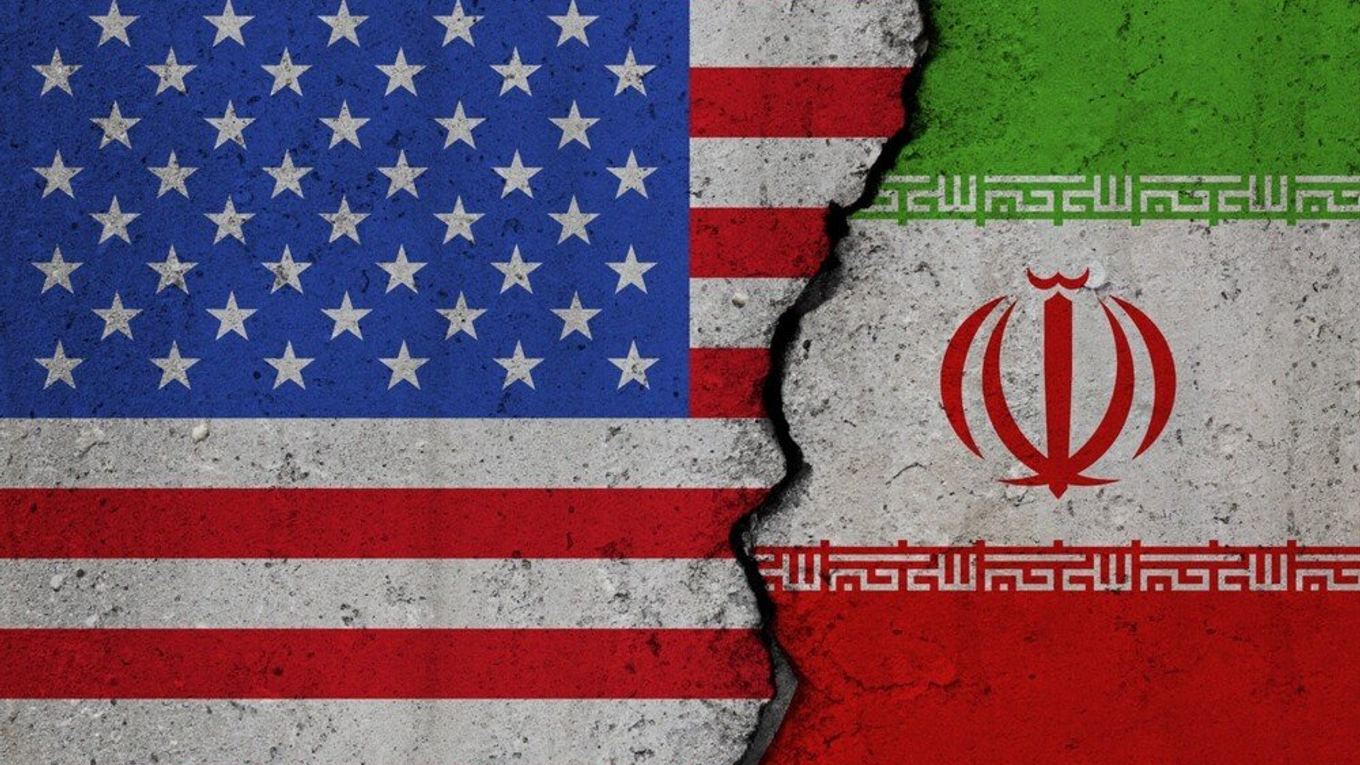
It was the IRGC's second claimed strike on a US radar in Bahrain in three days. On Friday it said it had destroyed an early-warning radar, in revenge for what it called an air attack on a telecommunications tower in southern Iran. US Central Command (CENTCOM) said it had shot down both drones and that there were no injuries or damage.
Iran's terms are on the table, and Washington has not answered
Mohammad Bagher Ghalibaf, the parliamentary speaker and Iran's chief negotiator, told Al Jazeera in a recent interview that Tehran had passed seven conditions to Washington through a Qatari mediator and was waiting for an official US reply. They include lifting the US naval blockade and sanctions, releasing frozen Iranian funds, ending hostilities on all fronts and formally declaring the war over. In remarks reported on Sunday, he warned that Iran would not stay in a state of "neither war nor peace" and would widen the conflict if the US "makes a mistake".
Washington's public line points the other way. Secretary of State Marco Rubio has called Tehran's conditions "outrageous and ridiculous and really not realistic". On 12 November Donald Trump posted "We don't need a deal with Iran" and told Vice-President JD Vance, the administration's most prominent advocate of talks, to focus on corruption at home. Yet Qatar's foreign ministry said on 10 November that it had received "positive responses from both sides", a day after its prime minister met Trump and Vance in Washington.
Why traders expect quiet, not a settlement
The question that matters is whether Washington hits back. The market on a US-Iran truce ignores Iranian drones: it asks only whether the US goes 14 days without an air or missile strike landing on Iranian soil. The last confirmed US strike, which Trump called "minor", hit an air-defence site on Qeshm Island on 6 November. Iran's claim that a US air attack hit a telecoms tower before Friday has not been confirmed by Washington.
As of 15 November, traders put the chance that such a two-week stretch begins by 22 November at 60%, up 5 points in a day and 10.5 points in a week. By 30 November the figure is 70%, and by 31 December 82%. The market read Sunday's drones much as CENTCOM read Friday's: as intercepted fire that does not force a US reply.
On 10 November Trump said he would hold off on fresh strikes "at the behest of countries that are their neighbours", naming Qatar, Saudi Arabia, the UAE, Bahrain and Kuwait, while keeping the blockade of Iranian ports in place. US forces were "fully locked and loaded", he said, but "we don't think there's going to be any reason to use it."
The settlement markets tell a different story. Traders give 18.9% to the US announcing the end of its blockade of Iran by 31 December, down almost 16 points in a week. A US-Iran agreement on Hormuz shipping by year end is at 16.5%, down 19 points. A senior US-Iran diplomatic meeting by the same date is at 25%, down 14 points.
That gap is the story. Traders see roughly a four-in-five chance of a fortnight without US strikes by year end, but less than one in five that Iran's first condition is met. They expect a ceasefire in practice that leaves the blockade, sanctions and Iran's grip on the strait intact. Drones and interceptors would keep firing, with no talks to stop them.
How the pause could still break
The case against the market is that Iran is raising the stakes deliberately, striking the same country twice in three days to force a US answer. Defence Secretary Pete Hegseth and CENTCOM's commander, Admiral Brad Cooper, reportedly favour renewed military action. A drone that gets through and kills Americans would make restraint much harder for Trump. On Friday Gulf states demanded full compensation from Iran for attacks since February and asked the UN Security Council to act.
The odds could also be wrong the other way: a US reply through Qatar that engages with even some of the seven conditions would make a meeting far more likely.
What it means for markets, business and politics
Oil A pause without a deal takes away the risk of a sudden escalation but leaves supply tight. Hormuz transits are running about 65% below pre-war levels. Any quiet spell is likely to cool crude only until it is clear the blockade remains.
Shipping and insurance A truce in practice is not a reopening. War-risk premiums and rerouting costs for Gulf cargoes are likely to stay high while Iran claims authority over routes through the strait.
Gulf politics Bahrain and its neighbours are absorbing the fire from a war they asked Trump not to escalate. Their pressure for restraint has worked so far; their compensation demand makes any settlement harder to write.
US policy The administration can have a pause without giving anything up, which weakens its reason to answer Tehran quickly. Iran's leverage is to keep testing the pause without breaking it.
What to watch
The first test is whether CENTCOM reports damage at Riffa and answers with a strike on Iranian soil, which would restart the two-week clock. The second is a formal US reply to Iran through Doha. Until then, neither side is choosing between war and peace. Both are choosing a pause.