Geopolitics
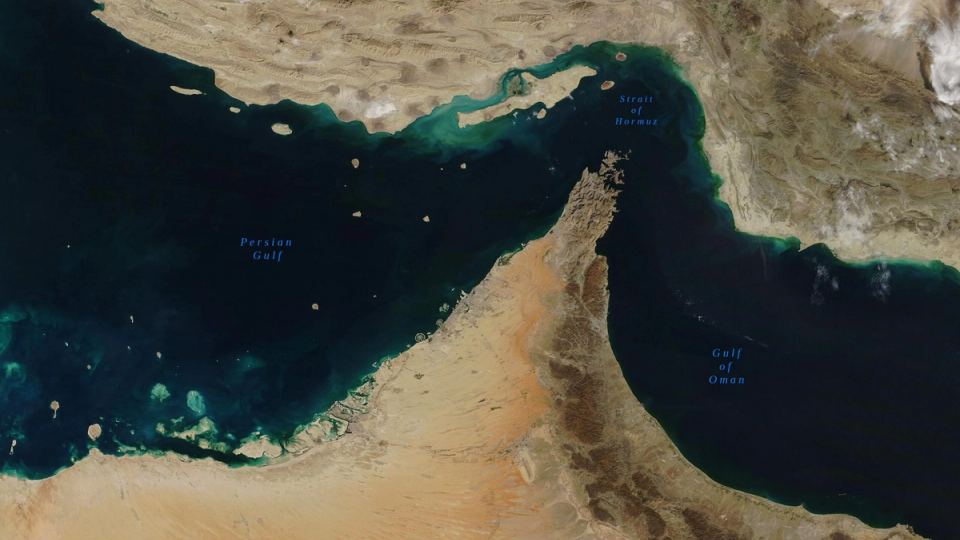
Wednesday Deadline Looms as Hormuz Closes Again
Trump's predicted weekend talks never materialised as Iran reversed a Hormuz opening within hours, and a new Wednesday deadline raises the stakes for both diplomacy and energy markets.
Section
Geopolitics coverage powered by prediction markets — wars, elections, diplomacy, and global risk.
Trump's predicted weekend talks never materialised as Iran reversed a Hormuz opening within hours, and a new Wednesday deadline raises the stakes for both diplomacy and energy markets.
The US president said Iran had agreed to hand over its enriched uranium stockpile, but Tehran immediately rejected the claim, exposing a familiar gap between American optimism and Iranian caution ahead of proposed weekend talks.
Prediction markets assign just 2% odds to Ukrainian capitulation and near-zero probability to Russian territorial gains as Easter truce disintegrates within hours, following the same pattern as two previous failed ceasefires.
Polymarket had Magyar at 81.5%. The press called it tight. The landslide confirmed what the market already knew.
Marathon Islamabad session ends without agreement on nuclear terms or sanctions relief, the second consecutive failed round between Washington and Tehran.
Bettors price Péter Magyar at 81.5% to become Hungary's next prime minister, even as major outlets frame today's vote as a tight race. The gap between market conviction and media caution is unusually wide.
Xi Jinping's handshake with Taiwan's opposition leader is a peace signal aimed at Washington, not Taipei.
Moscow and Kyiv have agreed to stop shooting for 32 hours. Prediction markets are betting they start again.
The US president demands the Strait of Hormuz reopen within days, but markets and allies see a longer, messier timeline.
Tehran rejects the ceasefire as Trump's midnight ultimatum lapses, and traders price what comes next: prolonged military engagement, not regime change or quick peace.
President issues expletive-laden ultimatum over Strait of Hormuz, setting a 48-hour deadline that markets treat as near-certain escalation.
Prediction markets split Trump's Iran ultimatum into two bets: a 2% ceasefire and a 20% nuclear deal, exposing the gap between rhetoric and reality.
US entry odds jump 26 points to 82% after two warplanes downed and a Strait of Hormuz ultimatum, with ceasefire markets pricing the earliest off-ramp at mid-summer.
The US president openly considers withdrawing from the alliance while setting conditions Tehran says it will never accept.
Both sides need a deal. Neither will admit it first.
Iran is acting as gatekeeper of the world's most important oil chokepoint, and prediction markets say the disruption will last at least through April.
Ceasefire odds jump from 14% to 48% across six weeks, but military entry surges faster. The probability gradient reveals the market's sequencing bet.
Three weeks into the war, the question is no longer whether a ceasefire holds. It is whether anyone in Tehran can sign one.
Trump threatened to destroy Iranian power plants within 48 hours — prediction markets give diplomacy a 7.5% chance.
What the markets are pricing
News, priced in. Journalism built on what prediction markets expect to happen next.
Follow us